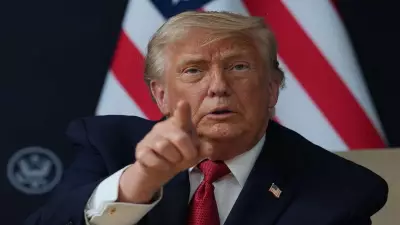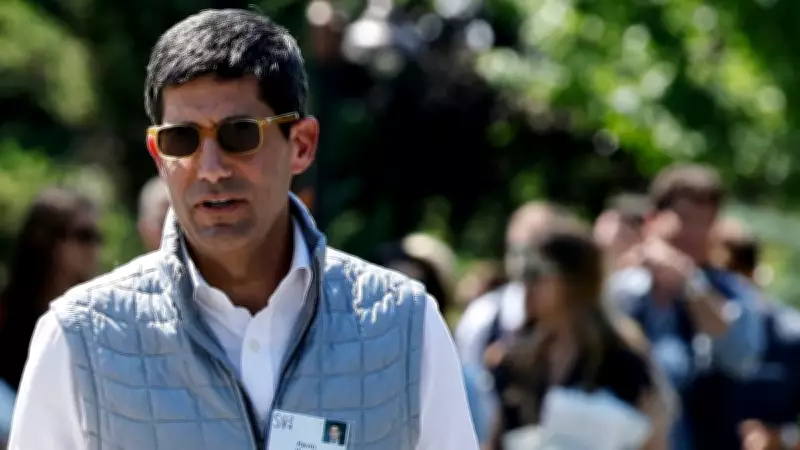
In a major development for global financial markets, former President Donald Trump has announced the appointment of Kevin Warsh as the next Chair of the Federal Reserve, set to take effect in 2026. This decision brings back a seasoned figure with deep experience in both central banking and presidential advisory roles, signaling potential changes in the direction of U.S. economic policy.
Background and Experience of Kevin Warsh
Kevin Warsh is no stranger to the Federal Reserve, having served as a governor from 2006 to 2011. During his tenure, he played a crucial role in navigating the financial crisis of 2008, working closely with then-Chair Ben Bernanke to implement emergency measures that stabilized the economy. His insights into monetary policy and financial regulation have been widely respected, making him a prominent voice in economic circles.
Beyond his Fed experience, Warsh has also advised the White House, offering counsel on economic matters during critical periods. This dual background in both operational central banking and high-level political strategy positions him uniquely to lead the Fed at a time of evolving global economic challenges.

Implications for U.S. and Global Economy
The appointment of Kevin Warsh as Federal Reserve Chair is expected to have far-reaching implications. Analysts suggest that his approach may lean towards more conservative monetary policies, potentially influencing interest rates and inflation management strategies. Given his past advocacy for tighter regulatory oversight and his experience during the financial crisis, markets will be closely watching for signals on how he plans to address current economic uncertainties.
Key areas of focus under Warsh's leadership are likely to include:
- Monetary policy adjustments in response to inflation trends
- Financial stability and risk management in banking sectors
- International coordination with other central banks
- Regulatory frameworks for emerging technologies in finance
Political and Economic Context
This announcement comes amid a backdrop of shifting political landscapes and economic pressures. Donald Trump's decision to name Warsh reflects a strategic move to align the Fed with his administration's economic priorities, which have historically emphasized deregulation and growth-oriented policies. The timing in 2026 suggests a long-term vision for steering the U.S. economy through potential headwinds.
Experts note that Warsh's appointment could reinforce the Fed's independence while fostering closer ties with executive branch initiatives, balancing technical expertise with political pragmatism.
Reactions and Market Outlook
Initial reactions from financial markets have been mixed, with some investors welcoming Warsh's proven track record, while others express caution over potential policy shifts. The broader economic community is keenly observing how this leadership change will impact global financial stability, especially in relation to trade dynamics and currency valuations.
In summary, the selection of Kevin Warsh as Federal Reserve Chair marks a pivotal moment in U.S. monetary history, blending experience with new strategic directions. As 2026 approaches, stakeholders worldwide will monitor the implementation of his policies and their effects on economic growth and stability.