Trump Treasury Secretary Candidate Scott Bessent Accuses Europe of Trade Priorities Over Ukraine
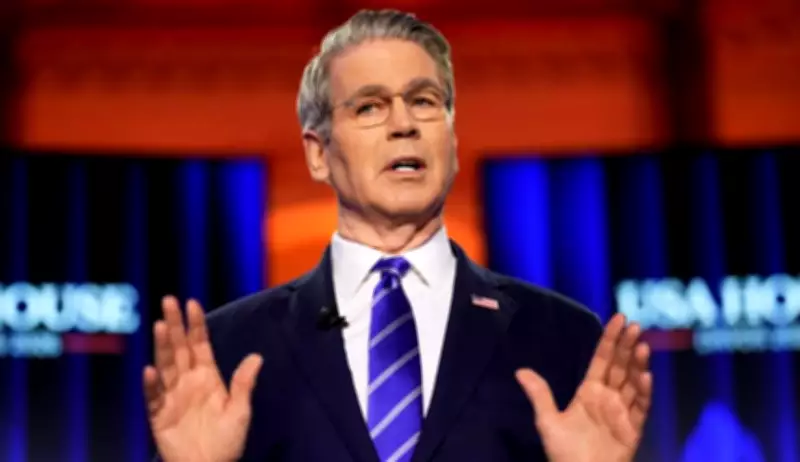
In a recent statement that has stirred international debate, Scott Bessent, a leading contender for the position of Treasury Secretary under a potential second Trump administration, has leveled sharp criticism against Europe. Bessent alleges that European nations have prioritized trade agreements, such as the recently negotiated EU-India Free Trade Agreement (FTA), over providing robust support to Ukraine in its ongoing conflict with Russia.
Geopolitical Tensions and Trade Dynamics
Bessent's remarks, reported by the Financial Times and other media outlets, underscore a growing rift in transatlantic relations regarding economic and security policies. He argues that Europe's focus on securing trade deals, including the landmark FTA with India, reflects a misplaced emphasis that could undermine collective efforts to assist Ukraine. This perspective highlights the complex interplay between global trade ambitions and geopolitical solidarity, particularly as nations navigate post-pandemic recovery and regional conflicts.
The EU-India FTA, which has been in negotiations for years and saw significant progress in early 2026, aims to boost bilateral trade by reducing tariffs and enhancing economic cooperation. However, Bessent contends that such agreements divert attention and resources away from more pressing security concerns, such as the war in Ukraine. His comments suggest a potential shift in U.S. foreign policy under a Trump presidency, with a greater focus on holding allies accountable for their strategic choices.

Implications for International Relations
This criticism comes at a sensitive time, as global powers reassess their commitments to Ukraine amid prolonged hostilities. Bessent, known for his financial expertise and previous roles in investment management, brings a unique economic lens to the discussion. He implies that Europe's trade strategies, while economically beneficial, may come at the cost of weakening the united front against Russian aggression. This stance could influence future diplomatic negotiations and trade talks, particularly if Trump returns to office and appoints Bessent to a key economic role.
Analysts note that Bessent's views align with a broader skepticism in some U.S. circles about multilateral trade agreements and their alignment with national security interests. The EU-India FTA, seen as a milestone in strengthening ties between two major economies, now faces scrutiny in this geopolitical context. As updates emerge in 2026, the balance between trade prosperity and conflict resolution remains a critical topic for policymakers worldwide.
In summary, Scott Bessent's accusations highlight ongoing tensions in how nations prioritize economic deals versus security alliances, with potential repercussions for global stability and cooperation in the coming years.