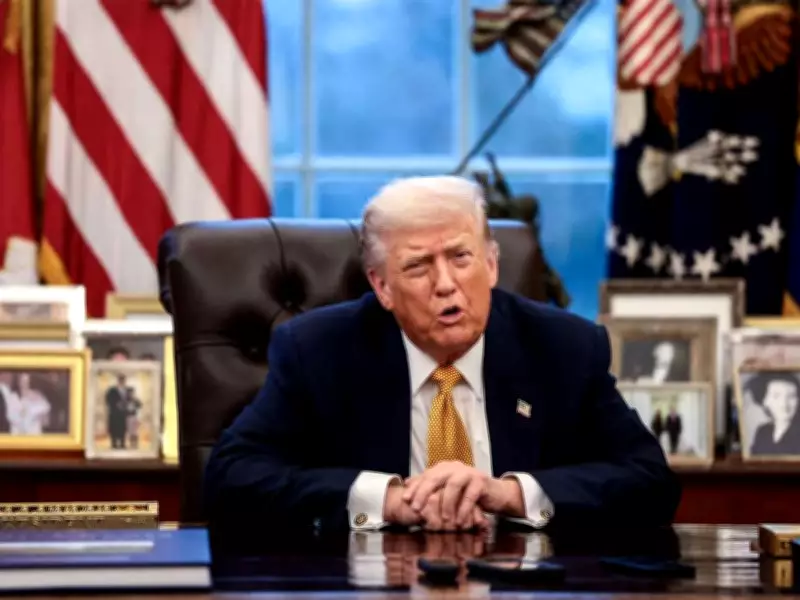
Trump's Executive Order Threatens Tariffs on Nations Supplying Oil to Cuba
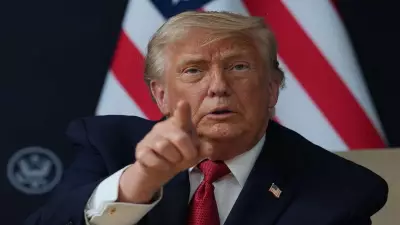
In a significant move that intensifies the economic pressure on Cuba, former United States President Donald Trump has signed an executive order that threatens to impose tariffs on nations supplying oil to the Caribbean island. This action marks a continuation of the hardline stance adopted by the Trump administration towards Cuba, aiming to curb the flow of essential resources and further isolate the nation economically.
Details of the Executive Order
The executive order, signed by Trump, specifically targets countries that provide petroleum and related products to Cuba. It authorizes the US government to levy tariffs or other trade restrictions on these nations, potentially disrupting Cuba's energy supply chain. This measure is part of a broader strategy to enforce US sanctions and limit Cuba's access to international markets, particularly in the energy sector.
The order underscores the Trump administration's commitment to maintaining stringent economic sanctions against Cuba, which have been a cornerstone of US foreign policy for decades. By threatening tariffs, the US aims to deter other countries from engaging in oil trade with Cuba, thereby exacerbating the island's economic challenges and forcing political concessions.

Impact on Cuba and International Relations
Cuba, which relies heavily on imported oil to meet its energy needs, could face severe shortages if the threat of tariffs leads to a reduction in supplies. This could have cascading effects on the country's economy, affecting industries, transportation, and daily life for its citizens. The move is likely to strain Cuba's relations with its traditional oil suppliers, such as Venezuela and Russia, and may push the nation to seek alternative sources or deepen ties with other allies.
Internationally, this executive order has sparked concerns among nations that trade with Cuba, as it introduces new uncertainties and potential financial risks. Countries involved in oil exports to Cuba may now have to weigh the benefits of such trade against the threat of US tariffs, which could lead to diplomatic tensions and shifts in global trade dynamics.
Context and Broader Implications
This development comes amid ongoing efforts by the Trump administration to roll back the diplomatic and economic openings initiated during the Obama era. By tightening sanctions and threatening tariffs, the US is reinforcing its policy of maximum pressure on Cuba, which aligns with broader geopolitical strategies in the region.
- The executive order could influence future US-Cuba relations, potentially setting a precedent for how the US handles trade with nations under sanctions.
- It may also impact global energy markets, as suppliers adjust their strategies to avoid US penalties.
- For Cuba, this adds to existing economic hardships, including those exacerbated by the COVID-19 pandemic.
In summary, Trump's executive order represents a bold step in the US's economic warfare against Cuba, with far-reaching consequences for international trade and regional stability. As nations navigate these new challenges, the situation highlights the complex interplay between politics, economics, and diplomacy in shaping global affairs.