Trump Nominates Kevin Warsh for Federal Reserve Chair, Emphasizing Rate Cut Stance
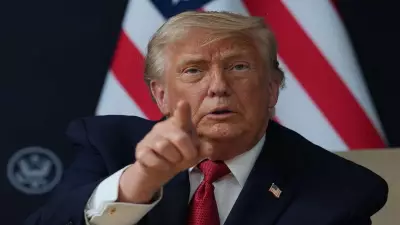
In a significant development for US economic governance, former President Donald Trump has announced the nomination of Kevin Warsh for the position of Federal Reserve Chair. This decision comes amid ongoing debates about monetary policy direction and its impact on the American economy.
Warsh's Background and Policy Leanings
Kevin Warsh, a former member of the Federal Reserve Board of Governors from 2006 to 2011, is known for his conservative approach to monetary policy. During his tenure, he often advocated for tighter controls on inflation and expressed concerns about the long-term effects of quantitative easing. However, Trump's recent comments suggest a shift in perception, highlighting Warsh's alleged willingness to lower interest rates.
Trump stated explicitly, "Kevin Warsh certainly wants to cut rates," indicating that the nomination is partly driven by a desire for more accommodative monetary policies. This remark aligns with Trump's historical criticism of the Fed for maintaining high rates during his presidency, which he argued hindered economic growth.

Implications for US Monetary Policy
The nomination of Warsh, if confirmed, could signal a pivotal change in the Federal Reserve's strategy. Economists are closely watching this move, as it may lead to:
- Potential rate cuts to stimulate economic activity, especially in light of recent inflationary pressures.
- A reevaluation of the Fed's balance sheet reduction plans, which have been a point of contention among policymakers.
- Increased focus on financial stability and regulatory oversight, given Warsh's experience during the 2008 financial crisis.
This development occurs against a backdrop of global economic uncertainty, with many central banks grappling with similar challenges. The US Federal Reserve's decisions under new leadership could have far-reaching effects on international markets and trade relations.
Political and Economic Context
Trump's nomination of Warsh is not just a personnel change; it reflects broader political dynamics. As a key figure in Republican circles, Trump continues to influence economic discourse, even out of office. The Fed Chair role is crucial for setting interest rates and managing inflation, making this appointment highly consequential for future policy directions.
Analysts note that Warsh's confirmation process will likely involve intense scrutiny from both sides of the political aisle. Democrats may question his alignment with Trump's economic agenda, while Republicans could emphasize his credentials and experience. The outcome could shape monetary policy for years to come, affecting everything from consumer loans to investment strategies.
In summary, Trump's nomination of Kevin Warsh for Fed Chair underscores a strategic push towards lower interest rates, with potential implications for the US and global economy. As discussions progress, stakeholders will be monitoring how this move aligns with broader economic goals and political objectives.