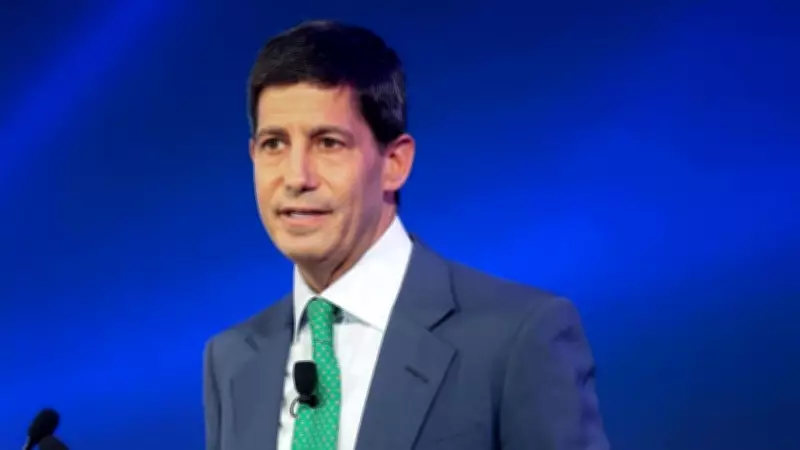
Trump Nominates Kevin Warsh as Federal Reserve Chairman, Replacing Jerome Powell
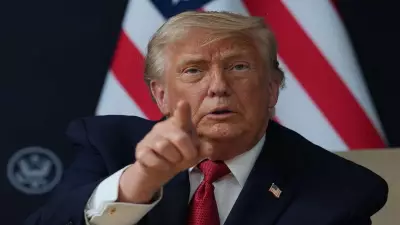
In a significant development for the United States financial system, President Donald Trump has announced his nomination of Kevin Warsh to serve as the next Chairman of the Federal Reserve. This move comes as Trump seeks to replace the current chairman, Jerome Powell, whose term has been marked by various economic challenges and policy decisions.
Trump's High Praise for Warsh
President Trump made the announcement through a post on his Truth Social platform, where he expressed strong confidence in Warsh's abilities. "I have known Kevin for a long period of time, and have no doubt that he will go down as one of the GREAT Fed Chairmen, maybe the best," Trump stated. He further added, "On top of everything else, he is 'central casting,' and he will never let you down." This endorsement highlights Trump's belief in Warsh's potential to lead the central bank effectively.
Kevin Warsh's Background and Experience
Kevin Warsh is no stranger to the Federal Reserve, having previously served as a Fed governor from 2006 to 2011. During his tenure, he gained a reputation for his critical views on the central bank's operations. According to reports from the BBC, Warsh has been an outspoken critic of the Fed's heavy reliance on data and its use of assets on its balance sheet. His insights and experience are expected to bring a fresh perspective to the role.

Evolution of Warsh's Stance on Monetary Policy
While Warsh was known for his "hawkish" stance during his time in office, favoring higher interest rates, recent reports suggest a shift in his views. He is now seen as more supportive of lower rates in the near term, which could signal a change in monetary policy direction under his leadership. This evolution in stance may align with current economic conditions and Trump's preferences for stimulating growth.
Implications for the US Economy
The nomination of Kevin Warsh comes at a critical juncture for the US economy, with ongoing debates about inflation, interest rates, and financial stability. As the Federal Reserve plays a pivotal role in shaping monetary policy, Warsh's appointment could influence key decisions that impact businesses, investors, and consumers nationwide. His background as a former Fed governor and critic may lead to reforms in how the central bank operates.
This is a developing story, and further details are expected to emerge as the nomination process unfolds. Stakeholders in the financial markets and beyond will be closely watching for confirmation and any subsequent policy shifts under Warsh's potential leadership.