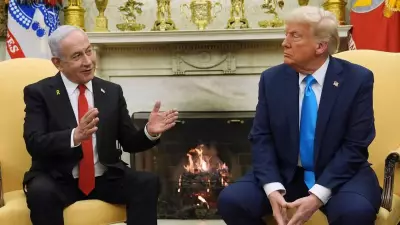
In a statement that has sparked widespread debate, former United States President Donald Trump has declared that the primary constraint on his executive authority is his personal sense of right and wrong, not established international treaties or laws.
Exclusive Interview Reveals Trump's Stance on Global Authority
The remarks came during an exclusive conversation with The New York Times. When questioned directly about whether any limits existed on his global powers, Trump provided a revealing answer. He asserted, “Yeah, there is one thing. My own morality. My own mind. It’s the only thing that can stop me.”
This perspective underscores a significant departure from traditional diplomatic and legal frameworks that have long guided US foreign policy. Trump further elaborated on his position, making it clear that he does not feel bound by international agreements. “I don’t need international law,” Trump was quoted as saying, while adding, “I’m not looking to hurt people.”

Implications for International Relations and Governance
This declaration from a leading figure in American politics raises profound questions about the future of global governance and the rule of law. By placing his personal judgment above international legal structures, Trump challenges a cornerstone of the post-World War II world order.
The potential consequences of such a worldview are significant:
- Erosion of Treaty Obligations: It suggests a unilateral approach where commitments to allies and global pacts could be secondary to personal discretion.
- Precedent for Leadership: It sets a potentially dangerous precedent for other world leaders to justify actions based solely on their personal morality.
- Diplomatic Uncertainty: It creates instability, as other nations cannot rely on consistent adherence to agreed-upon international rules.
While Trump emphasized he does not seek to cause harm, critics argue that a system reliant on one individual's moral compass is inherently unpredictable and lacks the checks and balances necessary for stable international relations. The interview highlights a continuing ideological battle over the scope of US presidential powers and America's role on the global stage.