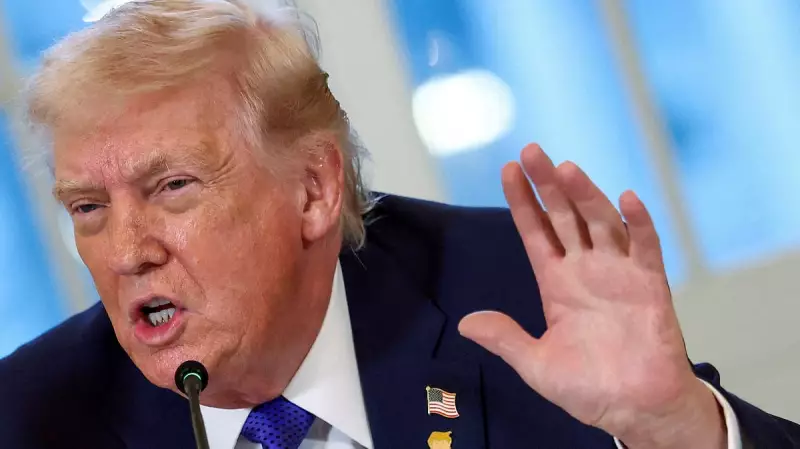
In a significant development with far-reaching implications for global energy markets, former US President Donald Trump has signalled a potential policy shift that could exclude the American oil giant ExxonMobil from future operations in Venezuela. This stance comes directly in response to public comments made by ExxonMobil's chief executive, who recently labelled the Latin American nation as "uninvestible."
The White House Meeting That Set the Stage
The crucial discussion took place on Friday, 12 January 2026, at the White House. Donald Trump chaired a high-level meeting with top executives from the oil and gas industry. The primary agenda was to deliberate on strategic plans for accessing and developing Venezuela's vast oil reserves, which are among the largest in the world. The meeting underscores the ongoing geopolitical importance of Venezuelan energy resources for US interests.
ExxonMobil's Stance and Trump's Reaction
The turning point emerged from the public assessment of Venezuela by ExxonMobil's CEO. By declaring the country's investment climate as "uninvestible," the CEO appears to have triggered a decisive reaction from Trump. Sources indicate that the former president is now "inclined" to keep ExxonMobil out of any future deals or operations in Venezuela should relevant policies be formulated or changed. This move is seen as a direct consequence of the company's publicly stated lack of confidence in the South American nation's stability.

This development highlights the complex relationship between corporate risk assessment and state-level diplomacy. While energy companies evaluate opportunities based on financial and operational security, geopolitical strategies often involve broader considerations of foreign policy and national interest.
Implications for Global Energy and Geopolitics
The potential exclusion of a major player like ExxonMobil from Venezuela's oil sector could lead to a significant reshuffling of market dynamics. Other international oil companies, possibly from other regions, might see an opening to increase their involvement. For India, a major importer of crude oil, shifts in who controls and produces Venezuelan oil could have long-term implications for energy security and pricing.
Furthermore, this incident sets a notable precedent. It signals that critical public statements by corporate leaders on sovereign nations can have tangible repercussions on their company's ability to operate within those countries, especially when aligned with the political stance of influential leaders. The situation remains fluid, and the final policy direction will be closely watched by governments and energy markets worldwide.