Trump Issues Stark Ultimatum to Iran Over Nuclear Deal Negotiations
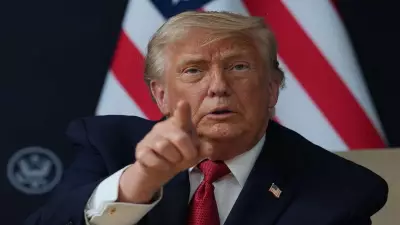
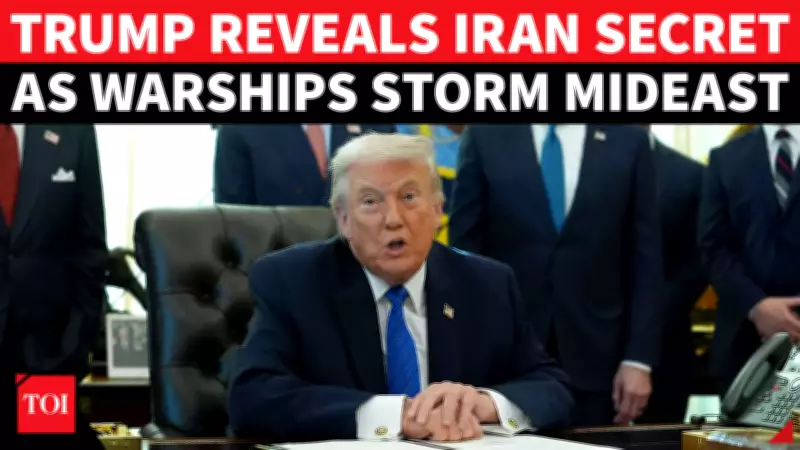
In a dramatic development that has escalated tensions in the Middle East, US President Donald Trump has publicly confirmed that he has delivered an ultimatum to Iran regarding the nuclear deal. Speaking to reporters from the Oval Office, Trump stated that Tehran has been given a clear deadline to reach an agreement, warning them to 'accept or face fire'.
Military Buildup in the Region Signals Potential Strike
The announcement comes as Washington has been moving significant military assets to the region, positioning forces in what appears to be preparation for a potential strike on the Islamic Republic. When questioned about whether he has set a specific deadline for Iran before any military action might occur, Trump confirmed that he has communicated one directly to Tehran.
'Only they know for sure,' the President remarked, deliberately keeping the timing of that deadline ambiguous and undisclosed to the public. This strategic ambiguity has added to the growing uncertainty surrounding the situation.

Noncommittal Stance on US Force Withdrawal
Further intensifying the standoff, Trump adopted a noncommittal tone when asked about a timeline for when US forces in the region might pull back. In a characteristically blunt statement, he said, 'They have to float someplace. They might as well float near Iran.' This remark underscores the administration's readiness to maintain a strong military presence close to Iranian borders indefinitely.
The deployment includes advanced naval and aerial assets, which analysts suggest could be used for both deterrent purposes and offensive operations if diplomatic efforts fail. The move has been interpreted as a clear signal of Washington's willingness to use force to compel Iran into compliance with its demands on the nuclear front.
Background and Implications
This ultimatum marks a significant escalation in the long-standing tensions between the United States and Iran over the latter's nuclear program. The original nuclear deal, known as the Joint Comprehensive Plan of Action (JCPOA), has been a point of contention since Trump withdrew the US from it in 2018.
Since then, efforts to revive or renegotiate the agreement have been stalled, with both sides accusing each other of bad faith. Iran has consistently maintained that its nuclear program is for peaceful purposes, while the US and its allies have expressed concerns about potential weaponization.
The current military buildup and Trump's stark warning suggest that the administration is prepared to take decisive action if diplomatic channels do not yield results. This development has raised alarms among international observers who fear that any military confrontation could have devastating consequences for regional stability.
As the situation continues to evolve, the world watches closely to see how Iran will respond to this pressure. Will Tehran come to the negotiating table, or will it choose to defy the ultimatum, potentially triggering a new conflict in the already volatile Middle East?