

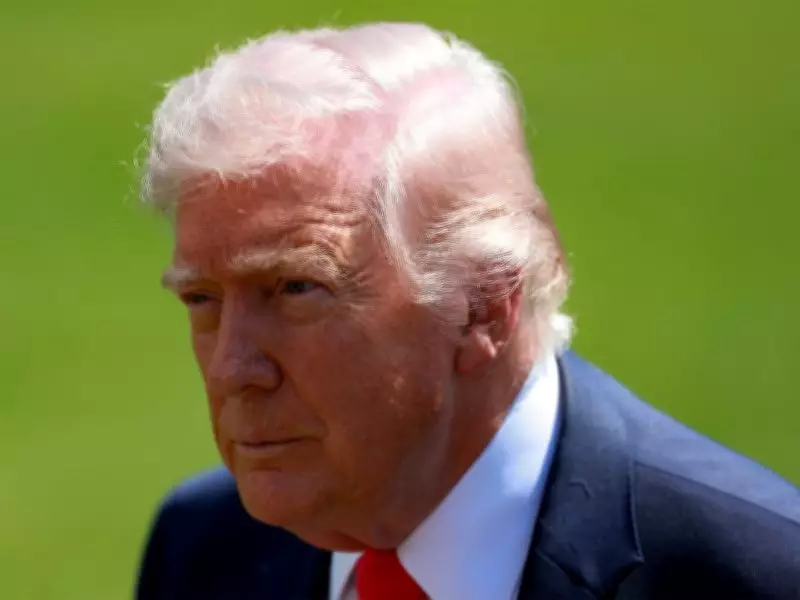
Trump Announces Iran's Restoration of Hormuz Strait Access
In a significant development impacting global energy security and Middle Eastern geopolitics, former United States President Donald Trump has publicly confirmed that Iran has fully reopened the Strait of Hormuz to maritime traffic. This announcement coincides with the implementation of a ceasefire agreement in Lebanon, suggesting a potential linkage between regional diplomatic efforts and Iran's strategic decisions.
Details of the Strait of Hormuz Reopening
The Strait of Hormuz, a narrow waterway located between Iran and Oman, serves as one of the world's most vital maritime chokepoints for oil transportation. Approximately one-fifth of the global oil supply passes through this strait, making its accessibility crucial for international energy markets and economic stability. Trump's confirmation indicates that Iran, which exercises significant control over the northern side of the strait, has removed any restrictions or threats that previously hindered free passage.
This move by Iran is seen as a major de-escalatory step, potentially easing tensions that have historically flared in the region. The strait has been a flashpoint for conflicts, with Iran previously threatening to block it in response to international sanctions or military pressures. Its full reopening could signal a shift toward more cooperative regional dynamics, especially as it aligns with ceasefire efforts in neighboring Lebanon.

Connection to Lebanon Ceasefire Developments
The timing of Iran's action is particularly noteworthy, as it occurred during the activation of a ceasefire in Lebanon. Lebanon has been embroiled in prolonged conflicts involving various factions, with Iran-backed groups like Hezbollah playing a significant role. The ceasefire aims to reduce violence and foster stability in the country, and Iran's decision to reopen the Strait of Hormuz may be interpreted as a gesture of goodwill or a strategic maneuver to support broader peace initiatives.
Analysts suggest that this coordinated timing could reflect behind-the-scenes diplomatic negotiations, possibly involving indirect talks between Iran and other regional or international actors. By linking maritime access to ceasefire progress, Iran might be leveraging its control over the strait to influence political outcomes or demonstrate its commitment to regional de-escalation.
Implications for Global and Regional Stability
The reopening of the Strait of Hormuz has immediate and far-reaching implications:
- Economic Impact: With full access restored, oil shipments from the Persian Gulf can proceed without disruption, potentially stabilizing global oil prices and reducing supply chain anxieties for importing nations.
- Geopolitical Ramifications: This development may ease tensions between Iran and Western powers, including the United States, which have previously clashed over Iran's activities in the strait. It could also influence ongoing nuclear negotiations and sanctions discussions.
- Regional Diplomacy: The alignment with the Lebanon ceasefire highlights Iran's role in Middle Eastern conflicts and its potential to contribute to peace processes. It may encourage further diplomatic engagements aimed at resolving other regional disputes.
Trump's confirmation, coming from a former U.S. president with a history of tough policies toward Iran, adds a layer of credibility to the announcement and underscores its significance in international affairs. As the situation evolves, stakeholders will be closely monitoring whether this leads to sustained improvements in regional security and economic cooperation.






