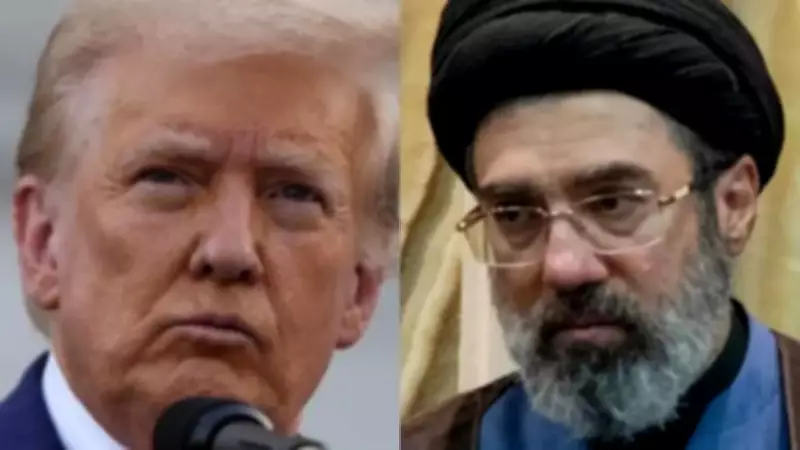
Trump Declares Iran's Leadership Structure Has Collapsed Following US Strikes
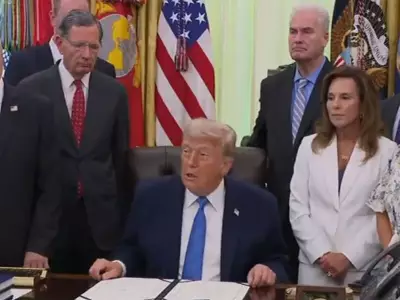
In a bold address at the Future Investment Initiative Priority Summit in Miami on Friday, US President Donald Trump made sweeping claims about the state of Iran's government and military. He asserted that extensive American operations have led to the collapse of Tehran's leadership and a severe weakening of its armed forces, while suggesting that Iran is now desperate to enter negotiations.
Claims of Leadership Vacuum and Military Degradation
Trump referenced the targeted strikes on February 28 that resulted in the death of Iran's Supreme Leader Ali Khamenei. He stated, "Their leaders are dead. Their Supreme Leader is no longer supreme — he's dead." The President further cast doubt on the status of Mojtaba Khamenei, who was named as the successor but has not been seen publicly since. "The son is either dead or in very bad shape, because no one has heard from him. I think he's saying, 'just keep me out of this.' It's the only country where no one wants to lead," Trump remarked, highlighting the perceived instability in Iran's command structure.
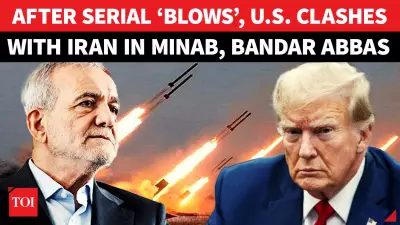
Regarding military capabilities, Trump emphasized that US actions have inflicted significant damage. "We hit them — they don't know what's happening. They are taking such a beating that anyone would enter negotiations. They are begging to make a deal," he declared. He added that Iran's defense infrastructure, including anti-aircraft and communications systems, has been "totally dismantled and dead," quipping that "other than that they’re doing quite well."

Background and International Reactions
Following Ali Khamenei's death, Tehran officially announced Mojtaba Khamenei as the new supreme leader. However, his continued absence has sparked widespread speculation and concern over Iran's governance and military coordination. US officials have indicated he may have been injured during the conflict, suggesting that Iranian forces are possibly operating without centralized command.
In response to queries about Mojtaba Khamenei's whereabouts, Iran's envoy to the United Nations in Geneva, Ali Bahreini, cited "security considerations" due to the ongoing special circumstances, as reported by CNN from Iranian state-affiliated media. This statement has done little to quell doubts about the stability and transparency of Iran's current leadership.
The situation has drawn attention from global observers, with implications for regional stability and international diplomacy. Trump's remarks underscore the escalating tensions and the profound impact of recent US military engagements in the Middle East.