Trump Signs Executive Order to Impose Tariffs on Countries Supplying Oil to Cuba
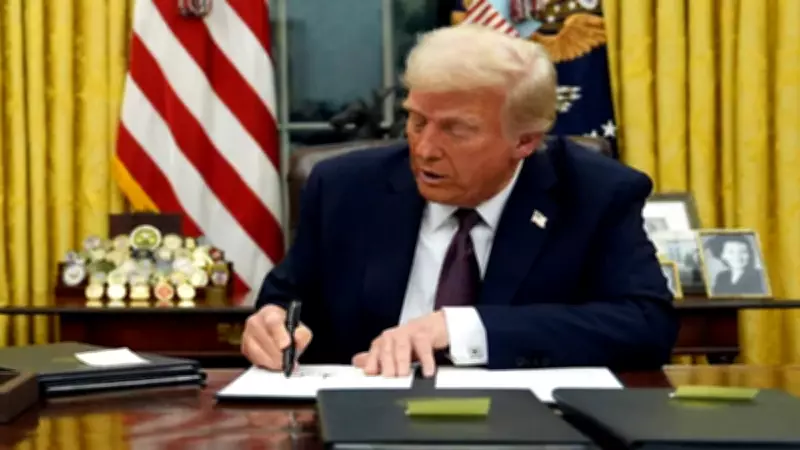
In a significant move that escalates economic pressure on Cuba and its allies, former US President Donald Trump has signed an executive order to impose tariffs on nations that supply oil to the Caribbean island. This action, announced on January 30, 2026, marks a continuation of the hardline stance against Cuba, which has been a focal point of US foreign policy for decades.
Details of the Executive Order
The executive order specifically targets countries that export oil to Cuba, aiming to cut off a crucial energy source for the nation. By imposing tariffs on these suppliers, the US intends to increase the economic strain on Cuba, which relies heavily on imported oil for its energy needs and industrial operations. This measure is part of a broader strategy to compel political and economic reforms in Cuba, aligning with long-standing US objectives to weaken the communist government.
Key provisions of the order include:

- Implementation of tariffs on oil shipments to Cuba from any country.
- Enhanced monitoring and enforcement mechanisms to ensure compliance.
- Potential exemptions for humanitarian or diplomatic reasons, though these are expected to be limited.
Escalating Pressure on Mexico
One of the most notable aspects of this executive order is its direct impact on Mexico, which has been a significant supplier of oil to Cuba in recent years. By targeting Mexico, Trump's administration is escalating pressure on its southern neighbor, potentially straining bilateral relations. This move could have far-reaching implications for trade and diplomacy between the US and Mexico, especially given ongoing negotiations over energy policies and regional stability.
Analysts suggest that this action may be aimed at forcing Mexico to reconsider its energy partnerships with Cuba, thereby isolating the island further. The tariffs could lead to increased costs for Mexican oil exports to Cuba, prompting Mexico to seek alternative markets or adjust its foreign policy stance.
Broader Implications for International Relations
The imposition of tariffs on Cuba's oil suppliers is expected to have ripple effects across the global energy market and international diplomacy. Countries involved in oil trade with Cuba may face difficult choices between maintaining economic ties with the US or continuing their support for Cuba. This could lead to shifts in alliances and trade patterns, particularly in Latin America and the Caribbean.
Potential consequences include:
- Increased tensions between the US and other nations that oppose such unilateral measures.
- Possible retaliatory actions from affected countries, impacting global trade dynamics.
- A heightened focus on energy security and diversification for Cuba and its partners.
Historical Context and Future Outlook
This executive order builds on a history of US sanctions against Cuba, dating back to the Cold War era. Over the years, various administrations have used economic tools to pressure Cuba, with mixed results. Trump's latest move represents a more aggressive approach, leveraging tariffs as a means of coercion.
Looking ahead, the success of this policy will depend on several factors, including the willingness of other countries to comply with US demands and Cuba's ability to adapt to reduced oil supplies. Observers will be closely watching how Mexico and other suppliers respond, as well as any potential diplomatic efforts to mitigate the impact.
In summary, Trump's executive order to impose tariffs on countries supplying oil to Cuba is a bold step that intensifies economic pressure on the island while escalating tensions with Mexico. It underscores the ongoing complexities of US-Cuba relations and the broader geopolitical landscape in the Americas.