

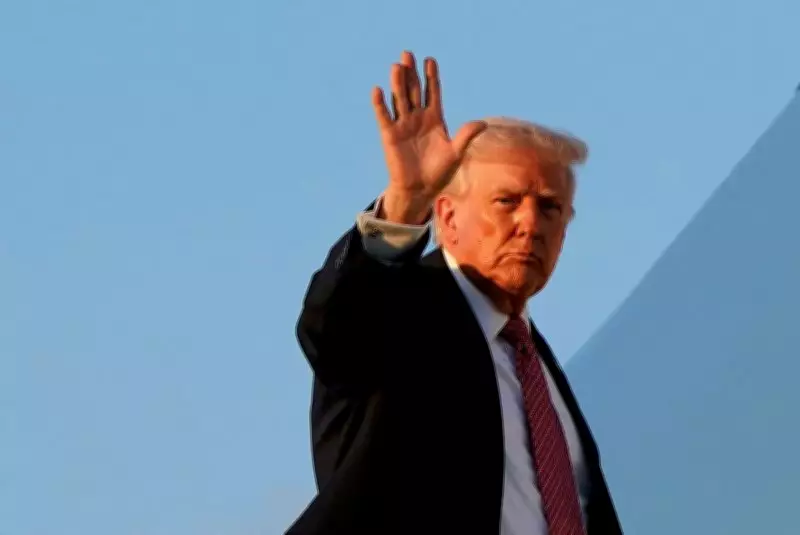
Trump Points to Cuba as Potential Next Move After Iranian Strikes
In a significant development that could reshape US foreign policy, former President Donald Trump has hinted that Cuba might become his next focal point, following recent strikes involving Iran. This statement, made amid ongoing international tensions, suggests a potential shift in Trump's geopolitical strategy as he eyes future political engagements.
Context of the Remarks Amid Iranian Strikes
The comments emerged in the wake of recent Iranian military actions, which have drawn global attention and prompted responses from various world leaders. Trump, known for his assertive foreign policy stance during his presidency, used this moment to signal a new direction, emphasizing that Cuba could be "next" on his agenda. This move aligns with his historical approach of targeting nations perceived as adversarial to US interests.
Historical Background of US-Cuba Relations
US-Cuba relations have been complex and often strained for decades, marked by periods of intense conflict and brief thaws. During Trump's administration, policies toward Cuba were tightened, reversing some of the openings made under his predecessor. His latest remarks indicate a possible return to a more hardline stance, which could involve economic sanctions or diplomatic pressure, echoing his previous actions against Iran and other nations.

This potential focus on Cuba comes at a time when global diplomacy is navigating multiple crises, including conflicts in the Middle East and economic challenges. By highlighting Cuba, Trump may be aiming to rally support among his political base, which often favors strong measures against socialist governments. Experts note that such a shift could impact regional stability in the Caribbean and Latin America, potentially straining alliances and trade relations.
Reactions and AnalysisPolitical analysts have reacted with caution, pointing out that Trump's hints could be part of a broader strategy to influence upcoming elections or shape public discourse. Some observers warn that targeting Cuba might divert attention from other pressing international issues, such as the Iranian strikes that initially sparked the discussion. Meanwhile, Cuban officials have not yet responded publicly, but history suggests they may prepare for increased scrutiny or pressure.
Potential Outcomes and Future Scenarios
- Increased Sanctions: Trump could advocate for stricter economic measures against Cuba, affecting trade and tourism.
- Diplomatic Tensions: Relations between the US and Cuba might deteriorate, leading to heightened rhetoric or confrontations.
- Political Ramifications: This focus could play a role in domestic US politics, influencing voter opinions and policy debates.
- Global Repercussions: Other nations, particularly allies in Europe and Latin America, may reassess their stances on Cuba in response to US actions.
In summary, Donald Trump's indication that Cuba is "next" after Iranian strikes marks a notable moment in foreign policy discussions. As details unfold, this development will likely spark further debate on US international priorities and their effects on global affairs. Observers are closely watching for concrete steps that may follow these hints, which could redefine diplomatic landscapes in the coming months.






