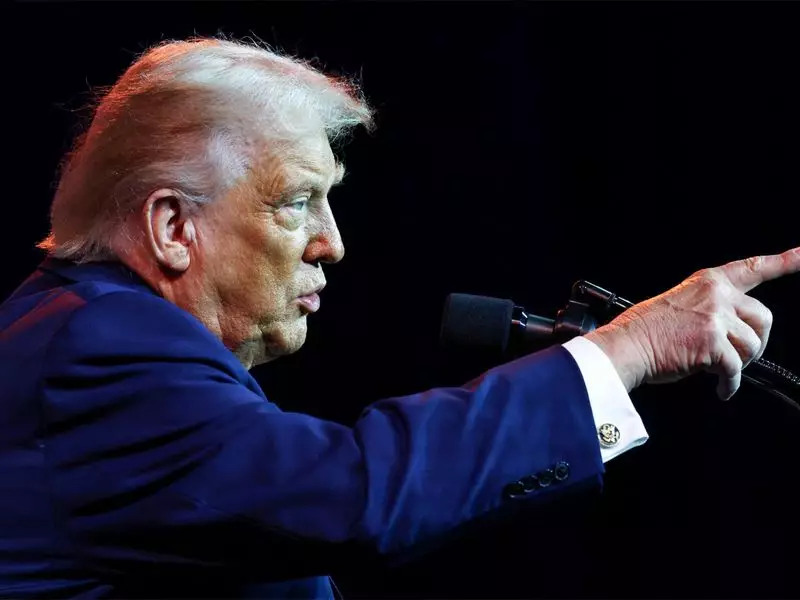
In a significant move that escalates pressure on the communist-led island, United States President Donald Trump has declared an end to all American oil shipments and financial assistance to Cuba. This announcement marks a dramatic hardening of US policy and delivers a direct blow to Cuba's already struggling economy.
The Announcement and Its Direct Impact
President Trump made the declaration, stating unequivocally that no more oil or money would be flowing from the United States to Cuba. This decision effectively shuts down a critical economic lifeline for the Caribbean nation, which has long depended on imported fuel to power its industries and transportation. The move is part of a broader strategy by the Trump administration to isolate the Cuban government and force political change.
The timing of this announcement is crucial, as it intensifies the existing US embargo, which has been in place for decades. By specifically targeting energy supplies, the US aims to cripple Cuba's daily operations and increase domestic pressure on the leadership in Havana.

Targeting the Cuba-Venezuela Nexus
A central pillar of this new crackdown is its focus on severing the deep ties between Cuba and Venezuela. The Trump administration has long accused Cuba of propping up the government of Venezuelan President Nicolás Maduro by providing intelligence and security support.
In return, Venezuela, despite its own profound economic crisis, has supplied Cuba with heavily subsidized oil. The new US measures are designed to disrupt this symbiotic relationship entirely. By cutting off potential alternative routes for support, the US hopes to weaken both regimes simultaneously. Officials argue that this step is necessary to promote democracy and human rights in both nations.
Broader Sanctions and International Reactions
Beyond the oil embargo, the Trump administration is enacting a wider array of sanctions. These include severe restrictions on travel and remittances, which are vital sources of income for many Cuban families. The US is also increasing pressure on other countries and foreign companies that do business with Cuba, threatening secondary sanctions.
This aggressive posture is likely to have several immediate consequences:
- Deepened Economic Crisis in Cuba: The island faces the prospect of severe fuel shortages, leading to more blackouts, reduced agricultural production, and halted factory work.
- Strained Regional Relations: Many nations in Latin America and the European Union have opposed the US embargo, arguing it harms ordinary citizens. This escalation may further diplomatic tensions.
- Humanitarian Concerns: Aid groups warn that tightening sanctions during a global pandemic could exacerbate shortages of medicine and food, impacting the most vulnerable populations.
The policy represents a full reversal of the brief thaw in US-Cuba relations initiated under former President Barack Obama. It firmly re-establishes a maximum-pressure campaign as the cornerstone of US strategy toward Havana, with uncertain outcomes for the Cuban people and the geopolitical landscape of the Caribbean.