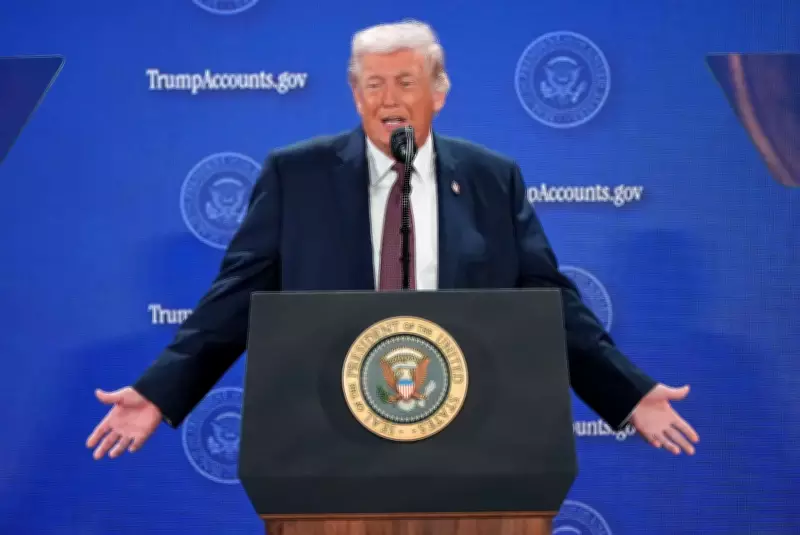
Trump Delivers Stern 48-Hour Warning to Iran Over Strait of Hormuz
In a dramatic escalation of tensions, former United States President Donald Trump has issued a fresh ultimatum to Tehran, demanding that Iran either finalize a deal or reopen the strategic Strait of Hormuz within the next 48 hours. The warning, posted on his Truth Social platform on Saturday, threatens severe consequences if the deadline is not met, with Trump stating, "before all hell will rain down on them."
Echoes of Previous Deadlines and Diplomatic Maneuvers
This latest message builds upon an earlier 10-day deadline that Trump had imposed on the Islamic Republic. In his post, he explicitly referenced this prior ultimatum, writing, "Remember when I gave Iran ten days to MAKE A DEAL or OPEN UP THE HORMUZ STRAIT. Time is running out-48 hours before all Hell will rain down on them. Glory be to GOD! President DONALD J. TRUMP." The Strait of Hormuz is a critical global shipping route for oil, making its status a focal point in US-Iran relations.
Extension of Pause on Military Strikes Amid Ongoing Talks
On March 26, Trump announced an extension of the pause on potential strikes targeting Iran's energy infrastructure, setting a new deadline for Monday, April 6, 2026. He attributed this decision to a "request" from the Iranian government and maintained that negotiations were progressing positively. In another Truth Social post, he detailed, "As per Iranian Government request, please let this statement serve to represent that I am pausing the period of Energy Plant destruction by 10 Days to Monday, April 6, 2026, at 8 P.M., Eastern Time. Talks are ongoing and, despite erroneous statements to the contrary by the Fake News Media, and others, they are going very well."

Broader Context of Diplomatic Efforts and Regional Tensions
The extension is part of a wider strategy to keep diplomatic channels active, even as tensions in West Asia remain elevated. Previously, Trump had instructed the US Department of War to delay potential strikes against Iranian power plants and energy facilities, initially for five days and then for a longer period, to allow talks to advance. His latest 48-hour warning reinforces the earlier deadline, intensifying pressure on Tehran to either reopen the Strait of Hormuz or face the risk of military escalation. This move underscores the volatile nature of US-Iran relations and the high stakes involved in regional stability.
As the clock ticks down, the international community watches closely, with the outcome potentially impacting global energy markets and geopolitical dynamics. The situation highlights the ongoing challenges in diplomacy and the persistent threats that shape foreign policy decisions in the region.