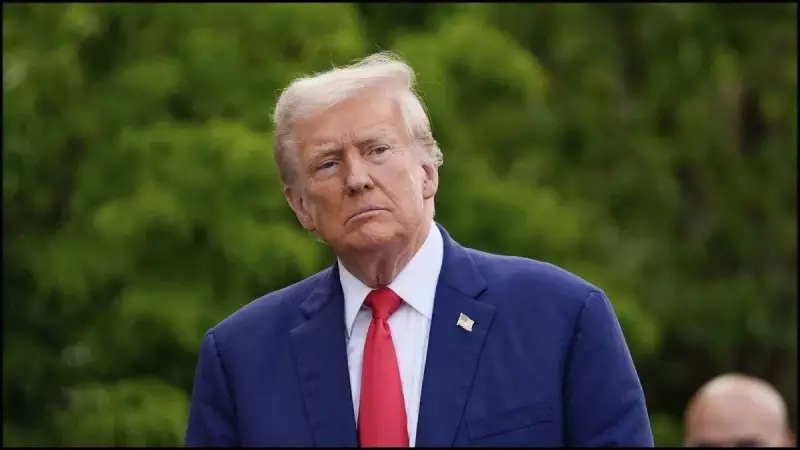
In a dramatic escalation of diplomatic tensions, former US President Donald Trump has triggered an American boycott of the G20 summit in South Africa following his controversial comments about the country's political climate. The fallout has resulted in South Africa being blocked from hosting the planned 2026 G20 summit in Florida, marking a significant rupture in international relations.
The Controversial Remarks That Sparked the Crisis
During a campaign speech on November 28, 2025, Donald Trump made inflammatory statements about South Africa that immediately drew international condemnation. The former president claimed that South African leaders were "killing white people" and expressed strong opposition to the United States participating in the G20 summit scheduled to be held in the African nation.
Trump's comments referenced what he described as "farm murders" and broader political tensions within South Africa. These remarks came amid his ongoing presidential campaign activities, where he has frequently criticized current US foreign policy under the Biden administration.

Immediate Consequences and Diplomatic Fallout
The reaction to Trump's statements was swift and consequential. The United States officially announced its boycott of the G20 summit in South Africa, dealing a significant blow to the international gathering that brings together the world's largest economies.
In a retaliatory move that has further complicated diplomatic relations, South Africa has been blocked from hosting the 2026 G20 summit that was planned to take place in Florida. This decision represents a substantial escalation in the diplomatic conflict between the two nations and threatens to undermine years of cooperation within the G20 framework.
The timing of this controversy is particularly sensitive given that the G20 serves as a crucial platform for addressing global economic issues, climate change policies, and international security concerns. The boycott and subsequent blocking of South Africa from the Florida summit could have far-reaching implications for global governance and economic cooperation.
Broader Implications for International Relations
This developing situation highlights the ongoing influence of Donald Trump on American foreign policy, even while not holding office. The incident demonstrates how domestic political rhetoric can directly impact international diplomacy and multilateral cooperation.
South African officials have expressed disappointment and concern over the developments, emphasizing their country's commitment to hosting successful international events and maintaining positive relations with all G20 member nations. The blocking of their opportunity to host the 2026 summit in Florida represents both a diplomatic and symbolic setback for the nation's international standing.
As the situation continues to evolve, international observers are watching closely to see how other G20 member states will respond to this diplomatic crisis. The incident raises important questions about the future of multilateral cooperation and the potential for political rhetoric to disrupt crucial international forums dedicated to addressing global challenges.
The coming weeks are likely to see increased diplomatic activity as nations attempt to navigate this unexpected crisis within one of the world's most important international organizations.