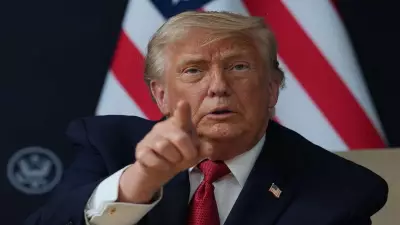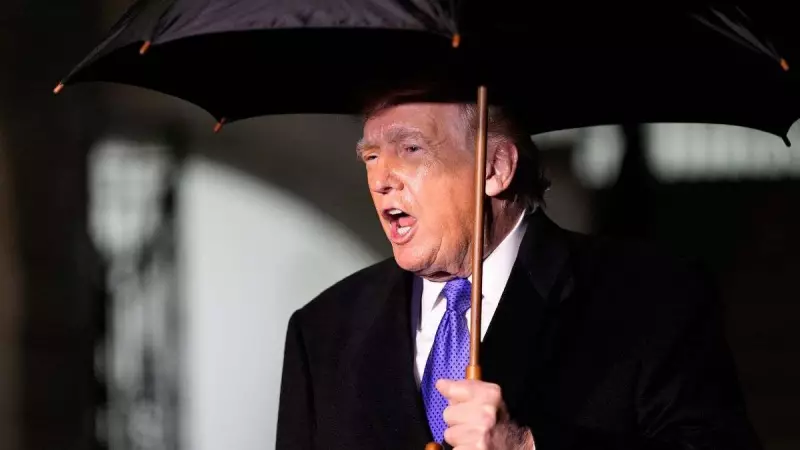
In a significant move impacting international finance and the political crisis in Venezuela, former US President Donald Trump has signed a crucial executive order. The order is designed to safeguard Venezuela's oil revenue held in US financial accounts from being seized by creditors or other claimants. This action directly supports the US-recognized interim government led by opposition figure Juan Guaido.
Details of the Executive Order
The executive order, signed by Trump, creates a protective legal shield for Venezuelan state assets, primarily oil sale proceeds, that are deposited in American banks. The core objective is to prevent these funds from being frozen or claimed by entities seeking repayment for debts incurred by the government of Nicolas Maduro, whom the United States does not recognize as Venezuela's legitimate leader.
This step formalizes and strengthens the US administration's support for Juan Guaido, who declared himself interim president in January 2019. The United States, along with dozens of other nations, recognizes Guaido as the legitimate leader of Venezuela. The protected funds are intended to be preserved for the future benefit of the Venezuelan people, potentially under a new democratic government.

Context and Political Implications
This executive action is the latest in a series of economic and diplomatic measures taken by the Trump administration to increase pressure on the regime of Nicolas Maduro. Venezuela, despite having the world's largest proven oil reserves, has been plunged into a deep economic and humanitarian crisis under Maduro's rule, marked by hyperinflation and severe shortages of basic necessities.
By securing these oil revenues in the United States, the Trump administration aims to deprive the Maduro government of a critical source of foreign currency. The move seeks to weaken Maduro's grip on power while bolstering the financial standing and legitimacy of the Guaido-led interim administration. The order effectively treats these assets as belonging to Guaido's government, not Maduro's.
Potential Consequences and Global Reaction
The executive order is likely to have immediate and long-term consequences. It provides a legal framework to redirect control of Venezuela's key foreign assets. Creditors and bondholders who have been seeking repayment from Venezuela's state oil company PDVSA may find their claims significantly complicated by this order.
Internationally, the move reinforces the sharp divide in global opinion on the Venezuelan crisis. While allies like the Lima Group may welcome the action, countries such as Russia, China, and Cuba, which support Maduro, are expected to condemn it as US overreach and interference in Venezuela's sovereignty. The order also sets a notable precedent for using US financial systems as a tool in geopolitical conflicts.
For the people of Venezuela, the immediate impact may be limited, but the strategic intent is to create a financial reservoir that could one day be used for the country's reconstruction. The success of this policy hinges entirely on the ultimate political outcome of the power struggle in Caracas. The order represents a high-stakes bet by the Trump administration on the eventual triumph of the opposition forces it backs.