In a surprising political statement, former US President Donald Trump has voiced his support for the idea of Senator Marco Rubio becoming the next President of Cuba. The comment, made during a campaign event, has ignited discussions on the future of US-Cuba relations and the role of Cuban-American politicians.
Trump's Unexpected Endorsement
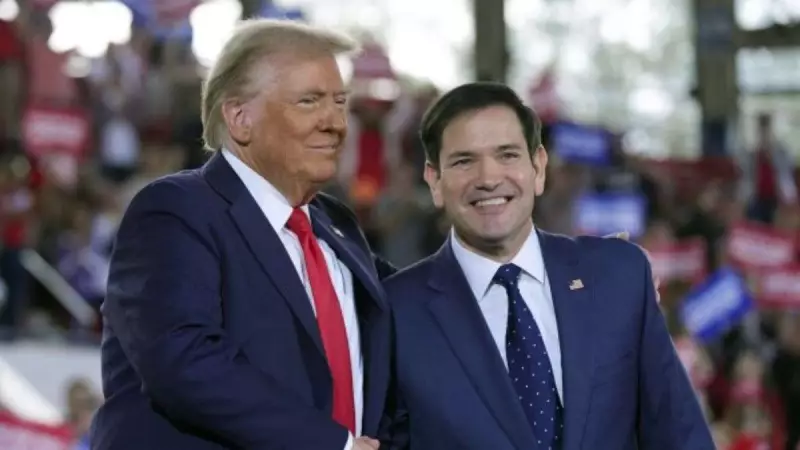
During a recent engagement, Donald Trump was asked about the potential for Marco Rubio to lead Cuba. His response was direct and approving: "Sounds good to me." This brief but significant endorsement, made on January 11, 2026, immediately captured national and international attention. Trump's remark highlights his continued influence in Republican politics and his willingness to comment on the internal affairs of other nations, particularly those with a history of strained relations with the United States.
Marco Rubio, a Republican senator from Florida, is the son of Cuban immigrants. He has been a prominent and vocal critic of the Cuban communist government for his entire political career. His policy positions have consistently advocated for a hardline approach towards the regime in Havana, supporting strong sanctions and promoting democratic change on the island.

The Political Context and Implications
This public backing from Trump is not happening in a vacuum. It comes at a time of ongoing political realignment within the Republican Party and continued tensions regarding US foreign policy towards Latin America. The idea of a US senator, especially one with Cuban heritage, being discussed as a potential leader for Cuba is unprecedented and underscores the deeply personal and political nature of the Cuba debate in American politics, particularly in the electorally crucial state of Florida.
Analysts suggest Trump's comment serves multiple purposes. Firstly, it solidifies his support within the influential Cuban-American community, a key voting bloc. Secondly, it reinforces a foreign policy stance centered on strong opposition to socialist governments. However, the remark has also been met with criticism from those who view it as an inappropriate intervention into another country's sovereignty, potentially complicating delicate diplomatic channels.
Reactions and the Road Ahead
While Senator Rubio has not publicly announced any intention to run for office in Cuba—a prospect currently impossible under the existing one-party system—the endorsement has sparked a flurry of reactions. Supporters of a free Cuba have celebrated the statement as a powerful symbol of hope and a challenge to the status quo. Conversely, critics and foreign policy experts warn that such rhetoric can be inflammatory and may hinder more pragmatic efforts at engagement or incremental change.
The core fact remains that Marco Rubio is a sitting US Senator and a figurehead for the Cuban diaspora's aspirations. Trump's "sounds good to me" has, therefore, shifted a theoretical discussion into a more pointed political conversation. It raises profound questions about the future of Cuba post-communism and the potential role of diaspora leaders. For now, the comment stands as a notable moment in the long and complex relationship between the United States and Cuba, ensuring that Cuba policy will remain a heated topic in American politics for the foreseeable future.