Trump Denies Reports of Top General's Advice Against War with Iran
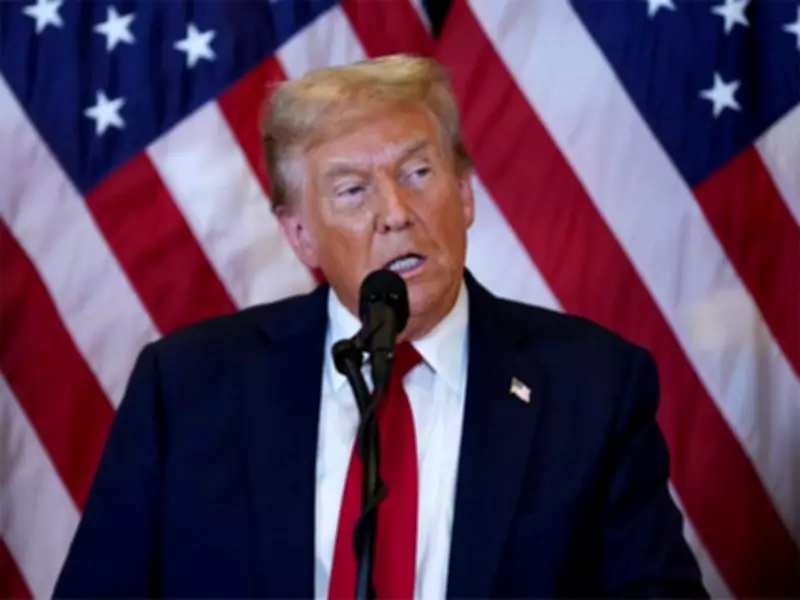
Former US President Donald Trump has publicly refuted recent media reports claiming that a top-ranking general advised him against initiating military action with Iran during his presidency. In a statement, Trump labeled these reports as "completely false" and suggested they were politically motivated attempts to undermine his administration's foreign policy decisions.
Controversy Over Alleged Military Counsel
The controversy stems from articles published by several news outlets, which cited anonymous sources alleging that a senior US military official had privately counseled Trump against escalating tensions into a full-scale war with Iran. According to these reports, the general expressed concerns about the potential consequences, including regional instability and high casualties. However, Trump has vehemently denied ever receiving such advice, asserting that his interactions with military leaders were always respectful and focused on strategic objectives.
Trump emphasized that his administration maintained a strong stance on Iran, particularly regarding its nuclear program and support for militant groups, but he insisted that any discussions about military options were handled with careful consideration and input from his entire national security team. He added that the reports were part of a broader pattern of misinformation aimed at discrediting his presidency.

Background on US-Iran Relations Under Trump
During Trump's tenure, US-Iran relations were notably tense, marked by events such as the withdrawal from the Iran nuclear deal in 2018 and the assassination of Iranian General Qasem Soleimani in 2020. These actions heightened fears of a potential military conflict, with many analysts warning of the risks involved. The recent reports have reignited debates about the decision-making processes within the Trump administration and the role of military advisors in shaping foreign policy.
Experts note that such disputes over internal counsel are not uncommon in politics, but they highlight the challenges in verifying claims when sources remain anonymous. The situation underscores the ongoing polarization in US politics, where narratives about past administrations continue to influence public perception and discourse.
Implications for Current Geopolitical Dynamics
This denial comes at a time when Iran remains a focal point in international relations, with ongoing negotiations over its nuclear program and regional influence. The refutation by Trump could impact how his legacy is viewed in terms of military strategy and diplomatic engagement. It also raises questions about the transparency of government communications and the reliability of media reports in high-stakes geopolitical matters.
As the story develops, observers are watching for any corroborating evidence or responses from other officials involved. For now, Trump's firm denial stands as a key counterpoint to the allegations, adding another layer to the complex history of US-Iran relations during his presidency.