Trump Stands Firm, Declines to Apologize for Controversial Obama Video
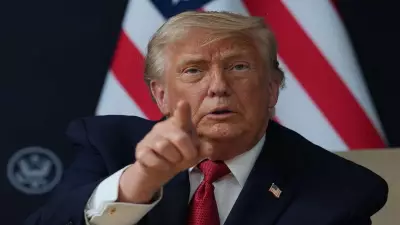
In a statement that has sparked widespread debate, former President Donald Trump has firmly declined to issue an apology for sharing a video that many have labeled as racist and targeting former President Barack Obama and former First Lady Michelle Obama. The incident occurred during a conversation with reporters aboard Air Force One on Friday, where Trump addressed the growing controversy.
"I Didn't Make a Mistake": Trump's Defiant Stance
When questioned about the video, Trump was unequivocal in his response, stating, "I didn't make a mistake". This refusal to apologize has drawn sharp criticism from various quarters, including political opponents and civil rights groups, who argue that the content perpetuates harmful stereotypes. Trump's comments highlight a persistent divide in American politics over issues of race and accountability.
Limited Viewing Claimed by Former President
Trump elaborated on his involvement with the video, explaining that he only viewed a portion of it. "I just looked at the first part, it was about voter fraud in some place, Georgia," he told reporters. He further added, "I didn't see the whole thing." This claim of limited exposure has been met with skepticism by critics, who question why he would share content without fully reviewing it, especially given its sensitive nature.

The video in question reportedly includes segments that mock or disparage the Obamas, intertwining allegations of voter fraud with racially charged imagery. By focusing on the voter fraud aspect, Trump appears to be redirecting the conversation toward his long-standing claims about election integrity, a topic that has been central to his political narrative since the 2020 election.
Broader Implications for Political Discourse
This incident underscores the ongoing tensions in U.S. political discourse, where media sharing and public statements can quickly escalate into national controversies. Trump's refusal to apologize aligns with his broader strategy of defiance and confrontation, which has both galvanized his base and alienated others. As the 2026 political landscape evolves, such episodes are likely to continue shaping public perception and electoral dynamics.
Observers note that the video's dissemination raises questions about the role of social media and leadership in promoting respectful dialogue. With Trump remaining a influential figure in Republican politics, his actions and words carry significant weight, potentially influencing party platforms and voter attitudes.
In summary, Trump's stance on this issue reflects a calculated political move, prioritizing his core messages over conciliatory gestures. As debates over race, media, and accountability persist, this episode serves as a reminder of the deep-seated divisions that characterize contemporary American society.