Trump's Davos Remarks Spark Debate on US-Canada Relations
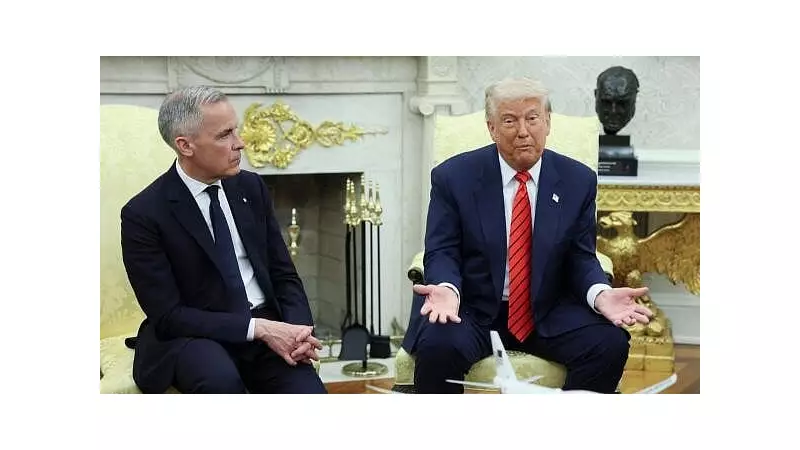
In a notable development at the World Economic Forum in Davos, former US President Donald Trump directed criticism towards Mark Carney, a prominent Canadian figure and former Governor of the Bank of England. Trump's comments have reignited discussions about the complex dynamics between the United States and Canada, particularly in the realm of international trade and diplomacy.
Trump's Assertion of Canadian Gratitude
During his address, Trump emphasized that Canada should express gratitude towards the United States for its role in bilateral trade agreements. He argued that the economic benefits derived from these partnerships heavily favor Canada, suggesting that the nation owes a debt of appreciation to its southern neighbor. This statement underscores Trump's longstanding perspective on trade imbalances and his approach to foreign policy, which often prioritizes American interests above all else.
Mark Carney's Role and Response
Mark Carney, who has served in key financial roles including as the Governor of the Bank of England and is a respected voice in global economic circles, was the target of Trump's remarks. While Carney's specific reaction to the criticism was not detailed in the original report, his presence at Davos highlights Canada's active participation in international forums. Carney's expertise in economics and finance makes him a significant representative for Canada, and Trump's comments may reflect broader tensions between the two nations' economic policies.

Implications for US-Canada Trade Relations
The exchange at Davos brings to light the ongoing friction in US-Canada relations, which have been tested in recent years by trade disputes and policy disagreements. Key points include:
- Trade Agreements: The United States and Canada are major trading partners, with agreements like the USMCA playing a crucial role in their economic interdependence.
- Political Dynamics: Trump's comments may influence future negotiations and diplomatic engagements between the two countries, especially as both nations navigate post-pandemic economic recovery.
- Public Perception: Such public criticisms can shape how citizens and policymakers view the bilateral relationship, potentially leading to calls for reevaluation of trade terms.
Broader Context of Trump's Foreign Policy
Trump's remarks at Davos are consistent with his "America First" agenda, which he championed during his presidency. This approach often involved challenging traditional allies and renegotiating trade deals to favor the United States. By targeting Canada, a close ally, Trump reinforces his stance that no nation should take American support for granted. This incident serves as a reminder of the volatile nature of international relations under his leadership and its lasting impact on global diplomacy.
In summary, Trump's criticism of Mark Carney at Davos highlights persistent issues in US-Canada relations, with implications for trade, politics, and international cooperation. As both countries continue to engage on the world stage, such exchanges will likely influence their strategic partnerships moving forward.