Trump Calls for International Naval Force to Protect Strait of Hormuz
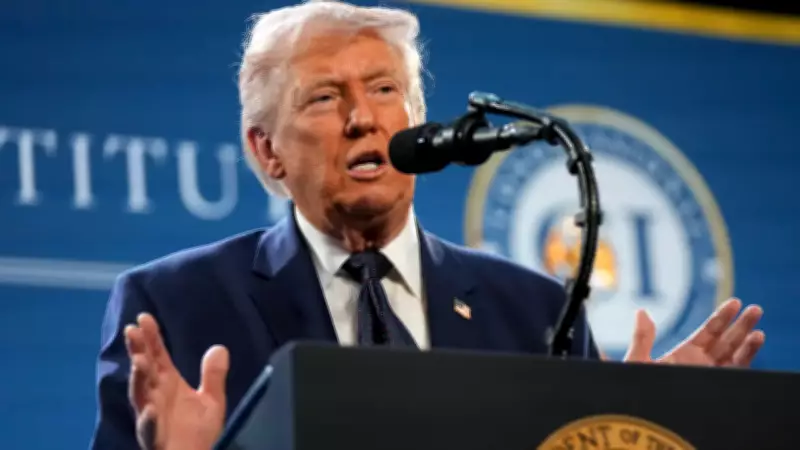
Former US President Donald Trump has issued a public appeal for nations worldwide to dispatch warships to help keep the Strait of Hormuz open for maritime traffic. This call comes as Iranian forces escalate their retaliation campaign in response to ongoing US and Israeli military strikes on Iranian targets.
Trump's Social Media Announcement and Global Coordination Plan
In a post made on his Truth Social platform on Saturday, US local time, Trump declared, "The countries of the World that receive Oil through the Hormuz Strait must take care of that passage, and we will help — A LOT!" He further emphasized that "The U.S. will also coordinate with those Countries so that everything goes quickly, smoothly, and well."
Trump elaborated in an earlier Saturday post, stating, "Many Countries, especially those who are affected by Iran’s attempted closure of the Hormuz Strait, will be sending War Ships, in conjunction with the United States of America, to keep the Strait open and safe." He specifically expressed hope that China, France, Japan, South Korea, Britain, and other nations would contribute naval assets to the region.

US Military Actions and Strategic Importance of the Strait
Trump outlined aggressive US military measures, writing, "In the meantime, the United States will be bombing the hell out of the shoreline, and continually shooting Iranian Boats and Ships out of the water." This statement follows his Thursday announcement that the US is prepared to escort commercial vessels through the Strait of Hormuz to shield them from Iranian attacks. This move is part of the administration's strategy to mitigate soaring oil prices, which have been driven higher by the US-Israeli conflict with Iran.
The Strait of Hormuz holds immense global economic significance, with approximately one-fifth of the world's oil and liquefied natural gas typically transiting through this narrow waterway between Iran and Oman. Iran's potential capability to obstruct shipping through the strait could grant it substantial leverage over the United States and its allied nations.
Western Military Buildup and Allied Responses
Concurrently, Western countries have been reinforcing their military footprint in the eastern Mediterranean during the Iranian conflict. These deployments have prioritized the security of Cyprus after an Iranian-manufactured drone struck a British military installation on the island on March 2.
British Defense Minister John Healey confirmed on Thursday that the United Kingdom is evaluating additional deployment options to the Gulf region following Iran's intensified assaults on maritime vessels. A spokesperson for the UK Ministry of Defence stated on Saturday that the British government is engaged in discussions with allies and partners regarding "a range of options to ensure the security of shipping in the region."
The French Navy is mobilizing approximately a dozen naval ships, including its aircraft carrier strike group, to the Mediterranean, the Red Sea, and potentially the Strait of Hormuz. This deployment is framed as defensive support for allies threatened by the ongoing hostilities.
French officials have disclosed that over the past week, France has been consulting with European, Asian, and Gulf Arab states to develop a comprehensive plan. The objective is to eventually assemble a fleet of warships that can escort oil tankers safely through the strategically critical Strait of Hormuz, ensuring the uninterrupted flow of global energy supplies.