

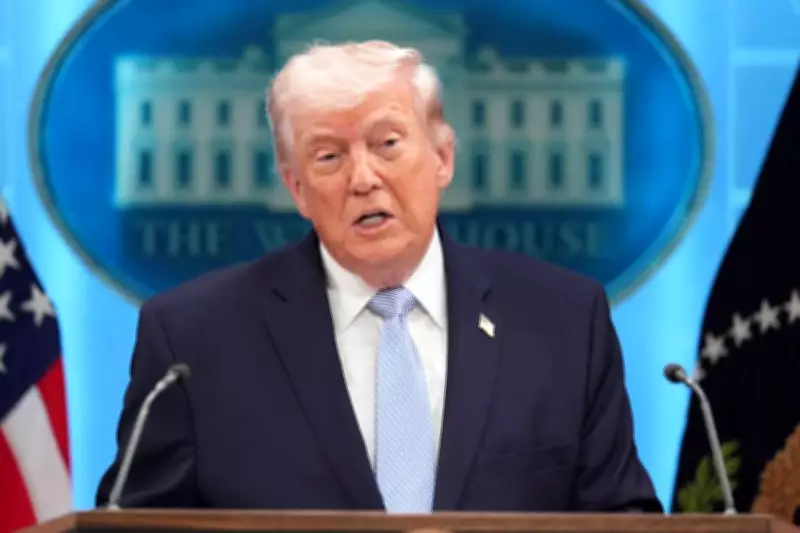
Trump Announces US Blockade of All Ships in Hormuz Strait
In a significant escalation of maritime policy, former US President Donald Trump has announced that the United States will implement a blockade targeting all ships entering or leaving the Strait of Hormuz. This strategic move, revealed on April 12, 2026, aims to assert American control over one of the world's most critical oil chokepoints, potentially reshaping global trade dynamics and geopolitical tensions in the Middle East.
Details of the Blockade Announcement
The announcement specifies that the US will enforce a comprehensive blockade, preventing vessels from transiting the strait in either direction. This policy applies to all types of ships, including oil tankers, cargo vessels, and commercial freighters, regardless of their country of origin or destination. The Strait of Hormuz, located between Iran and Oman, is a vital maritime passage through which approximately 20% of the world's oil supply flows daily, making this blockade a high-stakes maneuver with far-reaching economic implications.
Geopolitical and Economic Ramifications
This blockade decision is poised to trigger immediate reactions from global powers and regional actors. Nations heavily reliant on oil imports via the strait, such as China, India, and Japan, may face severe disruptions to their energy supplies, potentially leading to spikes in global oil prices and economic instability. Additionally, Iran, which borders the strait, is likely to view this action as a direct provocation, possibly escalating existing tensions in the region. The move could also strain US relations with allies in Europe and the Middle East who depend on stable maritime routes for trade.

Experts warn that such a blockade could have cascading effects on international maritime law and security protocols. It may challenge established norms under the United Nations Convention on the Law of the Sea (UNCLOS), which generally ensures freedom of navigation through international straits. The US justification for the blockade, though not fully detailed in the announcement, is expected to cite national security concerns and efforts to curb illicit activities, such as smuggling or threats from adversarial states.
Historical Context and Strategic Implications
The Strait of Hormuz has long been a flashpoint in global geopolitics, with previous incidents involving naval confrontations and threats to shipping lanes. Trump's announcement marks a bold departure from traditional US policies that have focused on safeguarding rather than blocking transit. This decision could signal a shift toward more aggressive maritime strategies under potential future administrations, influencing defense postures and diplomatic engagements worldwide.
In summary, Trump's declaration of a US blockade on all ships in the Strait of Hormuz represents a pivotal development with profound consequences for global oil trade, regional security, and international relations. As details emerge, stakeholders from governments to industries will closely monitor the implementation and responses to this unprecedented move.






