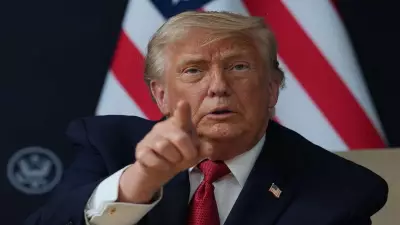
The administration of President Donald Trump has announced a significant expansion of the H-2B seasonal guest worker visa program, adding approximately 65,000 visas through September 30. This move, detailed in a Federal Register notice, aims to assist employers facing severe financial hardship due to a lack of available U.S. labor, as reported by Reuters.
Doubling the Annual Visa Cap
The additional visas effectively double the existing annual cap of 66,000 H-2B visas, which are allocated to businesses in sectors such as construction, hospitality, landscaping, and seafood processing. This expansion recognizes the ongoing struggles of U.S. employers in these industries to find sufficient workers to meet their operational needs.
Temporary Rule Implementation
A temporary rule formalizing the availability of these extra H-2B visas is scheduled to be published in the Federal Register on Tuesday. This regulatory step ensures that employers can quickly access the additional workforce to mitigate labor shortages and maintain business continuity.

Contrasting Immigration Policies
This decision comes amidst a broader context of Trump's immigration policies. Since returning to the White House in 2025, the Republican president has implemented a wide-ranging immigration crackdown, often portraying immigrants without legal status as criminals and a burden on communities. His administration has also tightened various forms of legal immigration, including imposing broad travel bans and conducting rigorous reviews of refugee and asylum cases.
Historical Precedents and Employer Demand
The expansion of available visas is not unprecedented; similar increases were seen under former President Joe Biden, a Democrat, and during Trump's previous presidency from 2017 to 2021. Employers in seasonal businesses, particularly hotels, have been vocal in their demand for more visas, citing critical labor gaps. Some construction businesses have specifically complained about worker shortages exacerbated by Trump's aggressive immigration measures.
Opposition and Economic Concerns
However, the move has faced opposition from groups advocating for lower levels of immigration. These critics argue that the influx of H-2B visas could undercut wages for American workers, potentially leading to economic disparities and job market distortions.
Impact on Tech Sector
In contrast to the expansion of H-2B visas, Trump's administration has made it more challenging for tech businesses to obtain workers through the H-1B program. A notable measure includes tacking on a $100,000 fee, which has triggered legal challenges from industry stakeholders concerned about increased costs and barriers to hiring skilled foreign talent.
Overall, this visa expansion highlights the complex balance between addressing immediate labor needs in key industries and navigating the broader implications of immigration policy on the U.S. economy and workforce.