
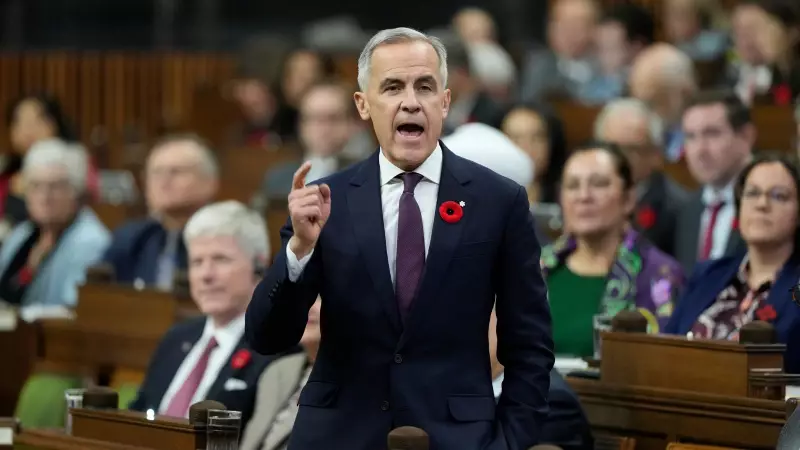
Canadian Prime Minister Justin Trudeau's minority government has successfully navigated a critical parliamentary test, surviving key budget votes that could have triggered a snap winter election. The crucial votes on the government's budget implementation bill passed in the House of Commons, allowing the Liberal government to continue its mandate without facing the electorate prematurely.
Budget Bill Passes Despite Political Pressure
The Canadian government secured the passage of its budget implementation bill through the House of Commons, overcoming significant political opposition. The legislation, which puts into practice the financial measures announced in the spring budget, required support from other parties to pass in the minority parliament situation.
Political analysts had been closely watching the proceedings, as the failure of the budget bill would have constituted a confidence vote that could have forced an election. The timing was particularly sensitive given the approaching winter months, when campaigning across Canada's vast territory becomes significantly more challenging.
Mark Carney Emerges as Potential Leadership Figure
Amid the political maneuvering, the name of Mark Carney, the former Governor of the Bank of Canada and Bank of England, surfaced prominently in political discussions. Carney has been increasingly mentioned as a potential successor to Trudeau should the Liberal leadership become vacant.
The respected economist and central banker has maintained his profile in Canadian politics while serving in various international roles. His potential entry into frontline politics comes at a time when the Liberal Party faces declining popularity and internal reassessment of its leadership direction.
Carney's international stature and economic credentials make him an attractive candidate for Liberals looking to rebuild their economic credibility with voters. His background includes steering Canada's financial system through the 2008 global crisis and later managing the Bank of England during the Brexit transition period.
Political Implications and Future Challenges
The successful passage of the budget bill provides temporary relief for Trudeau's government, but underlying challenges remain. The Liberal Party continues to trail the Conservative opposition in most national polls, creating ongoing pressure on the Prime Minister's leadership.
The minority government situation means Trudeau must constantly negotiate with opposition parties to advance his legislative agenda. The New Democratic Party (NDP) has provided crucial support on several key votes, but this cooperation remains conditional on progressive policy concessions.
Political observers note that while the immediate crisis has been averted, the government faces continued scrutiny on multiple fronts including economic management, housing affordability, and healthcare funding. The winter session of parliament is expected to see intensified opposition attacks as parties position themselves for the eventual next election.
The survival of Trudeau's government through this budget vote means Canadians will not be heading to the polls during the harsh winter months. However, political uncertainty persists, with many expecting 2024 to bring further tests of the government's stability and possibly leadership changes within the governing party.