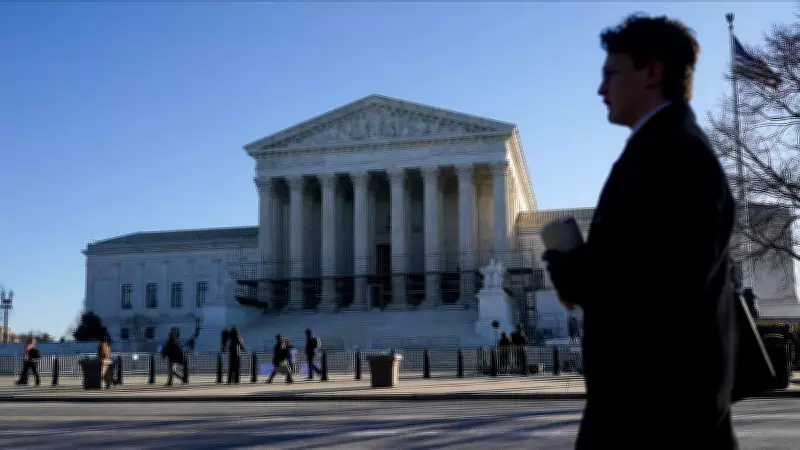
US Supreme Court Takes Up Landmark Case on Gun Rights and Drug Use
The United States Supreme Court has agreed to hear a significant legal challenge that will scrutinize a long-standing federal ban on gun ownership for individuals who are illegal drug users. This case, brought forward by the Trump administration, centers on the defense of a statute that prohibits such individuals from possessing firearms, raising critical questions about constitutional rights and public safety.
Background of the Federal Prohibition
At the heart of this legal battle is a federal law that has been in place for decades, explicitly barring illegal drug users from owning or purchasing guns. The statute is designed to prevent individuals engaged in illicit drug activities from accessing firearms, with the aim of reducing gun violence and enhancing community safety. However, this prohibition has faced increasing scrutiny and legal challenges in recent years, particularly as debates over Second Amendment rights intensify across the nation.
The Trump Administration's Defense
The Trump administration is actively defending this federal ban, arguing that it is a necessary measure to curb gun-related crimes and protect public welfare. In their challenge, administration officials contend that the law aligns with broader efforts to combat drug abuse and its associated risks, including violence. This defense comes amid a broader political landscape where gun control remains a highly contentious issue, with various administrations grappling with how to balance individual freedoms with societal security.

Implications for Gun Laws and Public Policy
This Supreme Court case holds profound implications for the future of gun legislation in the United States. A ruling in favor of the ban could reinforce existing restrictions and potentially pave the way for similar measures targeting other high-risk groups. Conversely, a decision against the ban might signal a shift towards expanding gun rights, challenging the scope of federal authority in regulating firearm ownership. Legal experts are closely monitoring this case, as it could set a precedent for how courts interpret the intersection of drug use and Second Amendment protections.
Broader Context of Gun Violence and Legal Debates
The timing of this Supreme Court review is notable, occurring against a backdrop of ongoing national discussions about gun violence and mass shootings. Incidents across the country have fueled calls for stricter gun laws, while others advocate for preserving constitutional rights. This case specifically addresses the niche but crucial issue of drug users' access to firearms, highlighting how legal frameworks attempt to mitigate risks without infringing on fundamental liberties. As the court prepares to hear arguments, stakeholders from both sides of the gun debate are expected to weigh in, emphasizing the case's significance in shaping future policies.
In summary, the US Supreme Court's decision to hear this challenge marks a pivotal moment in the ongoing dialogue over gun ownership and regulation. With the Trump administration defending the federal ban on illegal drug users owning guns, the outcome could influence not only legal standards but also public safety strategies for years to come.