US Supreme Court Delivers Blow to Trump's Tariff Agenda
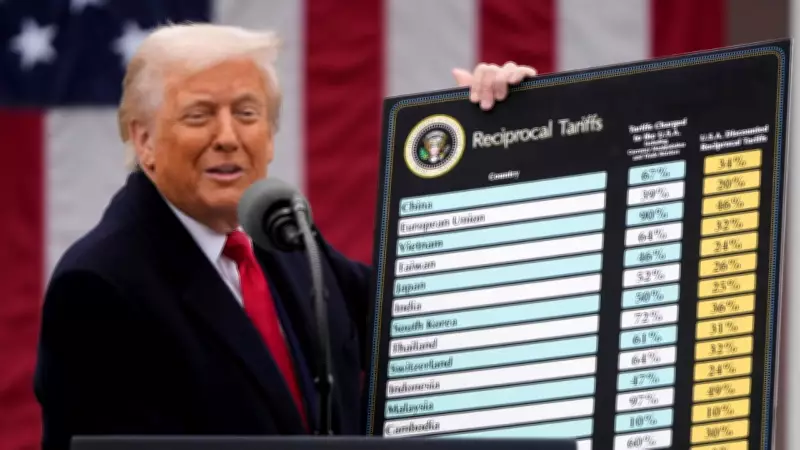
The United States Supreme Court has issued a landmark ruling that invalidates the far-reaching global tariffs imposed by former President Donald Trump, dealing a significant setback to his economic policies. In a 6–3 decision, the Court struck down tariffs levied under emergency powers laws, including the sweeping reciprocal tariffs that targeted nearly every country. The majority opinion emphasized that the Constitution explicitly grants Congress, not the executive branch, the authority to impose taxes such as tariffs.
Refund Uncertainty Leaves Businesses in Limbo
Following the ruling, a critical question looms: what will happen to the billions of dollars that US companies paid under these now-invalidated tariffs? The Trump administration has yet to provide a clear response, despite previous promises—both formal and informal—to refund the duties collected. With over 300,000 businesses seeking refunds totaling approximately $170 billion, the process remains shrouded in uncertainty.
Justice Brett Kavanaugh highlighted the complexity during the hearing, noting, "Refunds of billions of dollars would have significant consequences for the US Treasury." He added that the Court did not specify how the government should handle the refunds, describing the potential process as likely to be a "mess." This ambiguity means that individual importers may need to file separate lawsuits to pursue refunds, even though the government maintains detailed records of all tariff payments.

Legal and Administrative Hurdles Ahead
Trade attorney Ted Posner, a partner at Baker Botts, explained to CNN that the case was never focused on refunds, making it unlikely for the Supreme Court to delve into the logistical details. "We're now talking to companies about the next steps, which means more waiting, this time for the Court of International Trade," Posner said. He warned that any refund process would require meticulous submissions, leaving both companies and affected countries in a state of limbo.
Treasury Secretary Scott Bessent told Reuters that the agency has sufficient cash reserves to issue refunds but cautioned that the procedure could take up to a year. "It won't be a problem if we have to do it, but I can tell you that if it happens—which I don't think it's going to—it's just a corporate boondoggle," Bessent remarked. This is not the first instance of such refunds; a 1998 Supreme Court decision led to $730 million in refunds to American companies, a process that spanned two years.
Trump's Reaction and Ongoing Trade Tensions
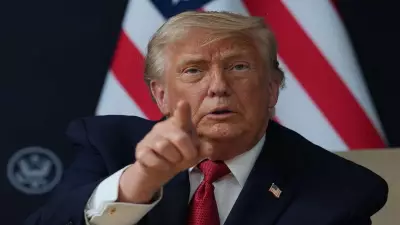
In response to the verdict, Trump expressed strong disapproval, stating that "nothing changes" in trade deals, including with India, and announced an additional 10% global levy on imports. He also criticized the justices who ruled against him, calling them "fools and lapdogs" during a White House news conference. "The Supreme Court's ruling on tariffs is deeply disappointing, and I'm ashamed of certain members of the Court—absolutely ashamed—for not having the courage to do what's right for our country," Trump declared.
The ruling underscores ongoing tensions between the executive and judicial branches over trade policy, with significant implications for international commerce and US economic strategy. As businesses await clarity, the path forward remains fraught with legal challenges and administrative delays, highlighting the complexities of unwinding large-scale tariff programs.