US Supreme Court Overturns Trump's Tariff Framework, $134 Billion Refund Process Initiated
In a landmark decision last week, the United States Supreme Court dismantled the tariff playbook established by former President Donald Trump. This ruling now compels his administration to refund approximately $134 billion collected in tariff revenue over recent months. The monumental decision raises critical questions about who will ultimately benefit from these massive repayments.
Who Actually Paid the Tariffs?
Since beginning his second term, President Trump implemented a sweeping series of tariffs targeting multiple nations across the globe. These import levies were technically paid by American importers—major corporations including retail giants Costco, Walmart, and Target—rather than directly by individual consumers at the point of sale.
However, the financial burden ultimately transferred to American households through indirect means. While consumers never made direct payments to the government treasury, they absorbed the costs as businesses passed on tariff expenses through increased prices on imported goods.

Will Consumers Receive Any Refunds?
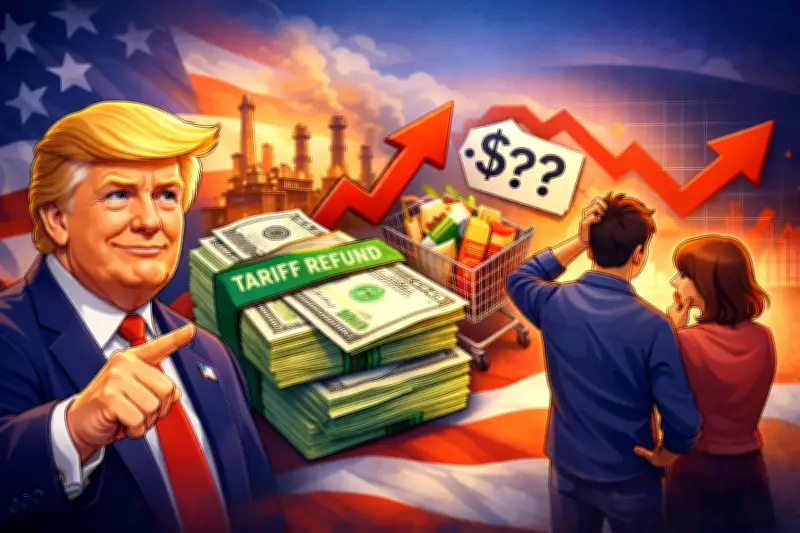
The straightforward answer is no—American shoppers should not expect to see any tariff money returned to their pockets. According to CNN reporting, because consumers paid tariffs only indirectly through higher retail prices, any refunds issued by the US administration will be directed exclusively to the original payers: the official "importers of record" who submitted tariff payments to customs authorities.
President Trump himself acknowledged to reporters that the refund process could be protracted, potentially taking up to five years to complete. The exact mechanisms for processing these enormous repayments remain uncertain as government agencies develop implementation procedures.
The Real Financial Impact on American Households
Research from Harvard Business School's Pricing Lab provides crucial insight into how tariff costs distributed through the economy. Their analysis estimates that consumers indirectly shouldered approximately one-quarter of all tariff expenses through elevated prices on imported products.
The Tax Foundation conducted separate calculations revealing the substantial household impact. Their research determined that Trump's tariffs increased the average American family's tax burden by roughly $1,000 during the previous year alone.
Proposed Rebates Versus Actual Refunds
To mitigate financial pressure on households, the Trump administration previously proposed sending $2,000 rebate checks directly to consumers. These payments would require Congressional approval and are designed as economic stimulus measures rather than genuine tariff refunds.
It remains unclear whether the Supreme Court's recent ruling affects these potential rebate proposals. Legal experts continue to analyze how the court's decision interacts with existing legislative proposals.
Corporate Lawsuits and Legal Complexities
Several major corporations have already initiated legal action to recover tariff payments. Costco filed for refunds even before the Supreme Court announced its decision. Following the ruling, FedEx became the first major corporation to file a lawsuit directly against the administration seeking tariff repayment.
US Treasury Secretary Scott Bessent has publicly indicated that consumers are unlikely to receive any portion of money refunded to corporations. Even if companies successfully recover tariff payments, significant legal expenses and the reality that businesses absorbed most tariff costs make it improbable that refunds would trickle down to end consumers.
The intersection of international trade policy, corporate finance, and consumer economics creates a complex landscape where legal victories may not translate to financial relief for ordinary Americans who ultimately bore substantial costs through the tariff regime.