Trichy Corporation Secures Major German Funding for Waterbody Restoration
The Trichy Corporation has achieved a significant milestone in urban environmental management by securing a substantial grant of ₹31.3 crore from the German development bank KfW. This funding is earmarked for the ambitious restoration and redevelopment of the Kottapattu Periyakulam, a crucial waterbody located near the city's airport. This project marks a pioneering effort to establish Trichy's first climate-resilient waterbody, setting a new standard for sustainable urban water management in the region.
Comprehensive Restoration Plan for Kottapattu Periyakulam
Spanning an area of 47.5 acres along the busy Trichy–Pudukottai highway, the Kottapattu Periyakulam tank will undergo a comprehensive transformation. The restoration plan includes extensive desilting operations, with approximately 1.2 lakh cubic metres of silt scheduled for removal to significantly enhance the waterbody's storage capacity. The project will also focus on strengthening the tank's bunds and implementing measures to prevent sewage inflow, addressing critical environmental concerns.
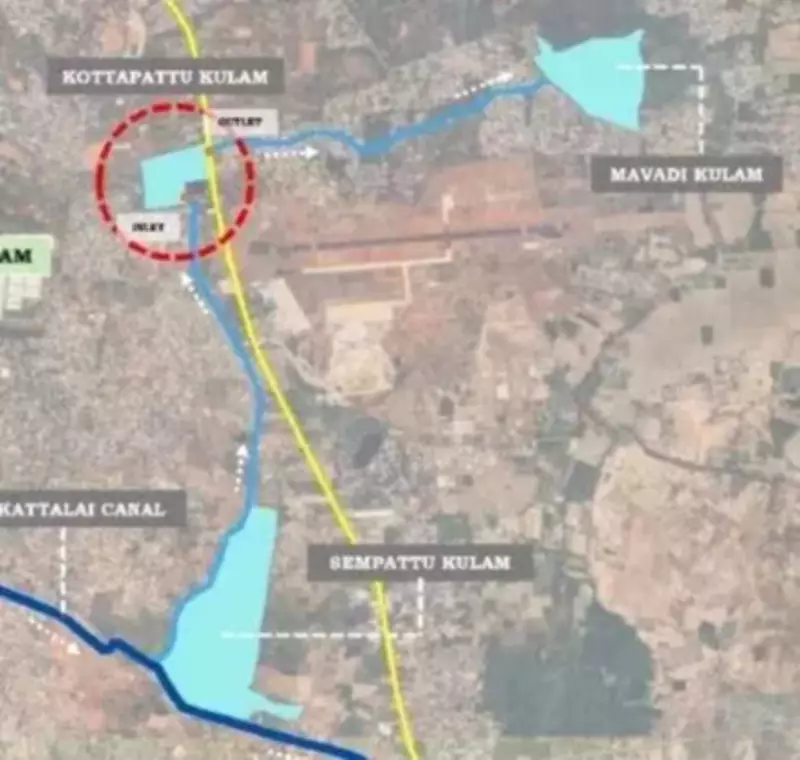
Historical context reveals that this waterbody originally covered a much larger area of 75.1 acres but has gradually diminished over time due to various anthropogenic activities. The tank forms an integral part of a three-tank system, receiving its water supply from the Cauvery River through the New Kattalai high-level canal originating from Mayanur. However, several supply channels and outlets have become obstructed over the years, necessitating this comprehensive restoration effort.

Infrastructure Improvements and Environmental Benefits
The project includes significant infrastructure upgrades, particularly the renovation of inlet and outlet sluices. These improvements will restore connectivity with the interconnected Sempattu and Mavadikulam tanks, creating a more efficient water management system. One of the primary objectives is to enhance groundwater recharge capabilities, which will have long-term benefits for the region's water security.
A crucial aspect of this initiative is flood prevention. By strengthening the tank's infrastructure, the project aims to mitigate flooding in nearby residential areas during monsoon seasons, addressing a persistent concern for local communities. The restoration of this waterbody is expected to have multiple environmental benefits, including improved water quality and enhanced biodiversity in the surrounding ecosystem.
Recreational Development and Community Engagement
Beyond environmental restoration, the project incorporates substantial recreational development. Plans include the creation of a 5.1-acre public park complete with walking tracks, viewing decks, and a selfie point for visitors. A floating boat jetty will add to the recreational appeal, while expanded green cover and the installation of solar lighting will reduce the project's carbon footprint.
The development plan allocates approximately 26,000 square meters in the core area as open green space, complemented by buffer vegetation. The buffer zone, covering nearly 2.1 square kilometers including parts of JK Nagar, will see implementation of sewage diversion systems and treatment facilities for runoff entering the tank.
Operational Framework and Community Involvement
Trichy Corporation has demonstrated long-term commitment to this project by earmarking ₹2.3 crore specifically for five years of operation and maintenance. The corporation has already floated tenders to commence work, indicating the project's imminent implementation phase.
A significant community engagement component involves the formation of a ward-level lake user committee. This committee will actively involve local residents in managing and maintaining the waterbody, ensuring sustainable stewardship and community ownership of this vital resource.
Technical Specifications and Project Objectives
The Kottapattu Periyakulam waterbody presents impressive technical specifications:

- Total area: 47.5 acres
- Maximum water spread: 42 acres
- Storage capacity: 371.7 million litres
- Bund length: 1.8 kilometers
Water sources for the tank include the New Kattalai High-Level Canal (fed by the Cauvery River) and rainwater from a 2.1 square kilometer catchment area. Historical data shows significant variation in water spread, with the highest recorded at 40.7 acres in November 2023 and the lowest at just 3.1 acres in April 2019.
The comprehensive project includes:
- Redevelopment cost: ₹31.3 crore
- Operation & Maintenance (5 years): ₹2.3 crore
- Total Outlay: ₹33.6 crore
Key facilities planned include a floating boat jetty, 5-acre public park, 1.8-kilometer walking track, three viewing decks, one selfie deck, solar lighting, and plantation of 45 native tree species.
Official Statement and Project Vision
Trichy Corporation Commissioner L. Madhubalan emphasized the project's comprehensive benefits, stating, "The project will prevent flooding caused by bund breaches during monsoon and ensure holistic development for improved water management and recreational use." This statement underscores the dual focus on practical flood prevention and community enhancement through recreational facilities.
The project's primary objectives are clearly defined:
- Stop sewage inflow into the tank
- Strengthen bunds and desilt the tank
- Increase storage capacity and groundwater recharge
- Restore interlinking with major tanks in the system
- Develop eco-friendly recreational spaces for community use
This ambitious initiative represents a model for urban waterbody restoration, combining environmental sustainability with community development and climate resilience. The successful implementation of this project could serve as a blueprint for similar initiatives across India, demonstrating how international funding, technical expertise, and community engagement can transform urban water management systems.