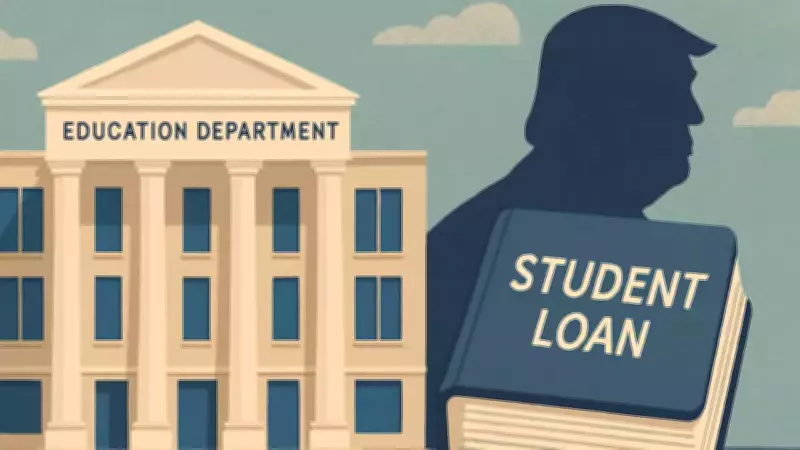
Student Loan Delinquency Crisis Escalates During Trump's Second Term
As millions of students across America prepare for college admissions and critical career decisions, alarming new data from the United States reveals a deepening crisis in higher education financing. A comprehensive analysis has documented a sharp and concerning increase in student loan delinquencies during President Donald Trump's second term, with financial experts warning of severe ripple effects on careers, credit health, and major life milestones for an entire generation.
Staggering Statistics: 25% of Borrowers Now Delinquent
According to a detailed report by CNBC based on research from The Century Foundation, nearly 25% of student loan borrowers with payments due are now behind on their obligations. This represents a dramatic escalation from approximately 9% delinquency rates recorded in 2019, indicating a tripling of financial distress among borrowers in just six years.
The study, which analyzed data from the University of California Consumer Credit Panel, reveals the sheer scale of this crisis. In just the first three quarters of 2025 alone, approximately 7.9 million student loan borrowers entered delinquency status, creating what experts describe as a financial emergency affecting millions of American households.

Administration Policies Under Scrutiny
Peter Granville, fellow at The Century Foundation and lead author of the report, provided stark commentary to CNBC regarding the administration's approach. "By blocking access to the very programs designed to help struggling borrowers, Donald Trump is trapping millions in a spiral of debt that is destroying their credit scores and locking them out of homeownership, buying a car and other life milestones," Granville stated.
However, the Trump administration has pushed back against these characterizations. Ellen Keast, press secretary for higher education at the Education Department, told CNBC that previous relief measures had obscured the true financial picture. "The idea of a sudden increase in delinquencies in student loans is a misnomer," she asserted, adding that the administration is now reporting "full and accurate data on student loan repayment."
Devastating Impact on Credit Health and Careers
For students and young professionals, the most immediate consequence of this crisis manifests in deteriorating credit health. The Century Foundation estimates that approximately 2 million borrowers with delinquent loans have experienced significant credit score declines, with averages plummeting from 680 to 580. In the United States, scores above 670 are generally considered good, making this 100-point drop particularly damaging.
Such substantial credit deterioration affects virtually every aspect of financial life, from renting apartments and securing car loans to potentially influencing hiring decisions in certain employment sectors. Higher education expert Mark Kantrowitz told CNBC that staffing reductions at the Education Department may have exacerbated the situation. "When you get rid of people who help borrowers face financial challenges, is it any surprise that these borrowers encounter problems dealing with debt?" he questioned.
Compounding these challenges, the expiration of pandemic-era protections and the termination of the Biden-era SAVE repayment plan have removed crucial safety nets for borrowers previously shielded from collections and negative credit reporting.
Regional and Racial Disparities Intensify
The report highlights disturbing disparities in how this crisis affects different communities across America. In Louisiana and Mississippi, nearly 40% of federal student loan borrowers with payments due are delinquent, representing some of the highest rates nationwide.
Racial disparities are even more pronounced. While approximately 20% of white borrowers were delinquent in the third quarter of 2025, more than 48% of black borrowers and about 30% of Hispanic borrowers faced delinquency. These statistics reveal systemic inequities that transcend individual financial management, affecting communities already facing economic challenges.

Strategic Considerations for Students and Families
For current students and prospective college applicants, these alarming statistics serve as a crucial wake-up call regarding educational financing. With more than 42 million Americans owing student debt exceeding $1.6 trillion, and with repayment terms expected to become more stringent under new legislative provisions, consumer activists warn that monthly repayment amounts could escalate significantly for middle-class families.
Financial literacy, realistic salary projections, and strategic repayment planning are rapidly becoming essential components of career planning. Students must carefully evaluate return on investment before committing to education loans, considering not just course selection but long-term financial implications.
As the CNBC analysis emphasizes, student debt has evolved from a personal financial challenge to a systemic issue influencing career opportunities, credit access, and economic security for an entire generation of Americans. The crisis demands urgent attention from policymakers, educational institutions, and financial advisors alike to prevent further damage to the nation's economic future.