Stevie Wonder's Crucial Role in Creating Martin Luther King Jr. Day
Americans observe Martin Luther King Jr. Day every third Monday in January. This federal holiday honors the civil rights leader's birth on January 15, 1929. Its establishment required years of persistent pressure from activists, lawmakers, and public figures. This year, the holiday falls on January 19.
A Personal Connection to King's Legacy
Stevie Wonder felt a deep personal connection to Martin Luther King Jr.'s work. He was just a teenager when an assassin killed King on April 4, 1968. The loss left a lasting mark on the young musician.
Wonder first heard about King as a child. He listened to radio coverage of the Montgomery bus boycott. Even then, he questioned why people faced judgment based on their skin color.

As a young performer, Wonder toured the segregated South with the Motown Revue. He experienced racism firsthand during these travels. In one frightening Alabama incident, someone fired a gun at the group's tour bus. The bullet narrowly missed the gas tank.
Wonder finally met King at a freedom rally in Chicago when he was fifteen. This encounter deepened his commitment to the civil rights movement.
The Long Road Through Congress
Soon after King's assassination, Michigan Representative John Conyers introduced legislation. He wanted to make King's birthday a national holiday. The proposal struggled to gain traction during a turbulent political era.
Urban unrest, the Vietnam War, and the assassinations of Robert F. Kennedy and King himself dominated the national conversation. For years, the bill languished in Congress without significant progress.
Labor unions and civil rights groups kept the idea alive. They organized protests, strikes, and rallies to maintain public awareness. Coretta Scott King emerged as a central figure in this effort. She organized annual birthday commemorations and pressed lawmakers to act.
'Happy Birthday' Becomes a Rallying Cry
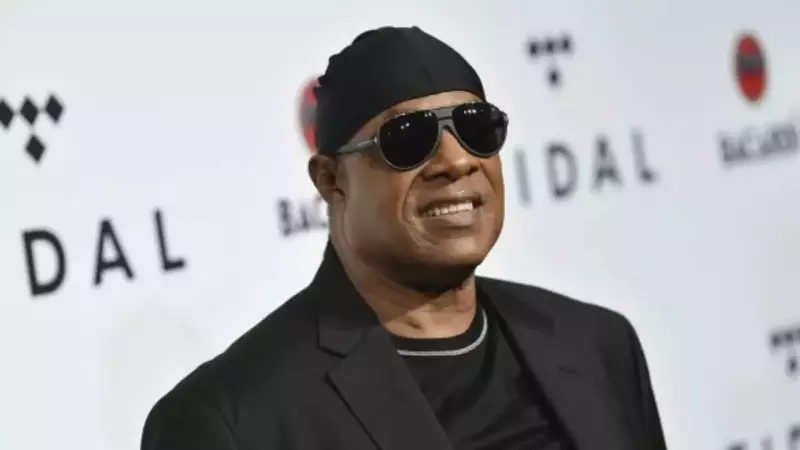
By the late 1970s, Stevie Wonder had become one of the world's most influential musicians. He was known for socially conscious lyrics and genre-defying albums. Wonder began working closely with Coretta Scott King. He appeared at rallies and lent his star power to the campaign for a national holiday.
In 1980, Wonder released a song specifically demanding a holiday for King. He called the track "Happy Birthday." The song appeared on his album Hotter Than July and served as a powerful call to action.
The album's liner notes urged fans to support the legislation. Wonder performed the song at rallies and concerts across the country. He organized benefit tours and collected millions of petition signatures.
Wonder brought together other influential artists for the cause. Bob Marley, Gil Scott-Heron, Michael Jackson, and Carlos Santana all joined the effort. Even amid personal and national tragedies, Wonder kept the movement in the public eye.
Victory After 15 Years
Opposition to the holiday remained fierce. Conservative lawmakers, led by North Carolina Senator Jesse Helms, attempted to block the bill. They attacked King's legacy during heated debates. Some opponents eventually distanced themselves from the harsh rhetoric.
In 1983, after years of mounting public pressure, Congress finally passed the bill. It established Martin Luther King Jr. Day as a federal holiday. President Ronald Reagan signed it into law that November. The first official observance occurred on the third Monday of January in 1986.
Today, Martin Luther King Jr. Day stands as both a tribute to a civil rights icon and a reminder of sustained activism's power. For Stevie Wonder, the holiday was never about politics alone. He once stated clearly, "This is not a Black holiday. It's a holiday for everyone."