Iran-Linked Sanctioned Vessels Navigate Strait of Hormuz Amid US Naval Blockade
In a significant development highlighting the ongoing maritime tensions, at least two US-sanctioned, Iran-linked vessels successfully passed through the Strait of Hormuz into the Persian Gulf on Thursday. This movement signals a potential shift in transit routes even as the United States naval blockade entered its third consecutive day, creating a complex and volatile situation in one of the world's most critical shipping corridors.
Heightened Surveillance and Slowed Traffic
Shipowners and global traders are meticulously tracking all movements through this strategic waterway, with only a limited number of vessels attempting crossings amid heightened security checks by both US and Iranian naval forces. The enforcement has become so stringent that crews now require explicit clearance from two separate navies, significantly decelerating traffic through what is typically one of the planet's busiest shipping lanes. This dual-authority requirement has introduced unprecedented delays and operational challenges for maritime commerce.
Unusual Routes and Evolving Navigation Strategies
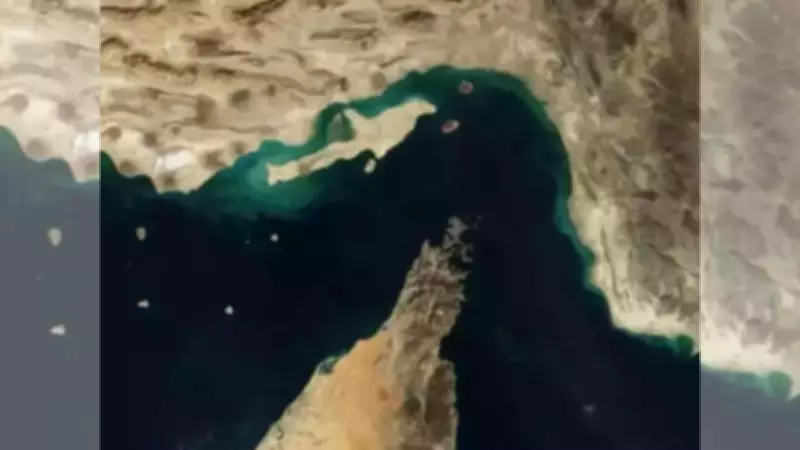
According to detailed ship-tracking data cited by Bloomberg, the liquefied petroleum gas (LPG) carrier named G Summer and the very-large crude carrier Hong Lu navigated through a narrow and perilous passage between Iran's Larak and Qeshm islands before safely entering the Gulf. Both of these vessels are officially blacklisted by Washington due to their established links with Iran and were notably traveling empty at the time of their transit.

Their chosen route, which originated from the UAE's Fujairah and meticulously followed Iran's coastline, was described by analysts as unusually circuitous and strategically deliberate. Other vessels, including the bulk carrier Rosalina carrying food supplies and the tanker Nobler, have also adopted similar navigational paths, suggesting a rapidly evolving set of strategies designed to avoid direct confrontation and navigate the heightened military presence.
Drastic Reduction in Overall Maritime Traffic
Despite these isolated movements, the overall traffic volume through the Strait of Hormuz remains drastically below pre-conflict levels. Bloomberg reports that only a handful of vessels have managed to cross since the blockade was initiated, compared to an average of approximately 135 daily transits recorded before the escalation of tensions. Notably, no fully loaded Iranian oil tankers have been observed exiting the strait, placing roughly 1.7 million barrels per day of wartime oil flows at severe risk and threatening global energy market stability.
Conflicting Narratives and Geopolitical Tensions
The United States Central Command has consistently maintained that no vessels have successfully breached its established naval blockade, asserting that all ships attempting transit have been effectively turned back. However, Iran has publicly claimed that one of its oil tankers managed to pass through, highlighting the starkly conflicting narratives surrounding the enforcement efficacy. According to Bloomberg analysis, Tehran might be referring to the vessel Alicia, an empty ship also sanctioned by the US, which entered the area and passed Iran's Larak Island on Wednesday, just a few hours before the Hong Lu.
The situation is further obscured by reported electronic interference and instances of vessels switching off their automatic identification systems (AIS), meaning not all maritime movements are currently visible to external tracking, adding a layer of uncertainty to the standoff.
Broader Geopolitical Implications and Warnings
This maritime standoff unfolds against a backdrop of intensifying geopolitical tensions across the Middle East. Iran has issued stern warnings of "dangerous consequences" stemming from US actions in the Persian Gulf and the Strait of Hormuz, cautioning that the ongoing blockade could severely worsen an already fragile regional situation. Senior Iranian officials have signaled a firm stance, asserting that control over the Strait of Hormuz remains a key strategic lever for the nation.

The waterway, which carries nearly one-fifth of the global oil supply, continues to be the epicenter of this confrontation, raising profound concerns over the stability of international energy flows and global trade patterns. The evolving strategies of sanctioned vessels and the persistent military posturing underscore the high stakes involved in this critical chokepoint for worldwide commerce and security.