US Education Department Rules San José State University Violated Title IX in Landmark Gender Identity Case
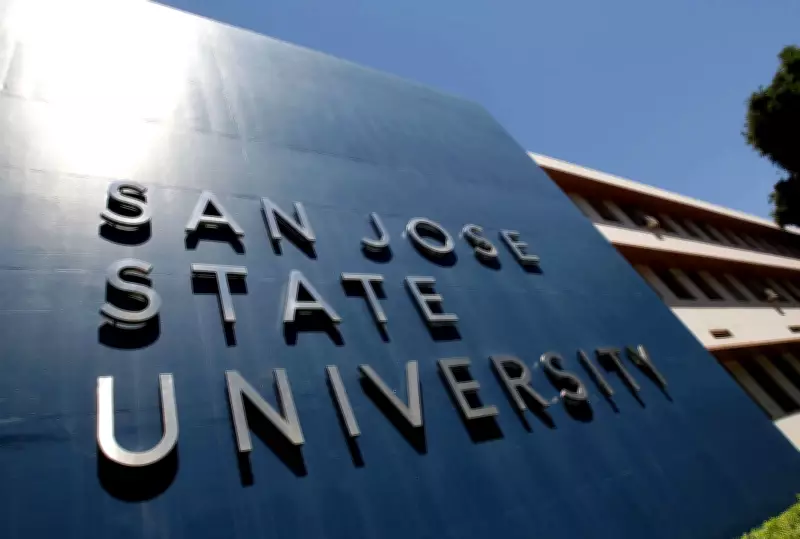
The US Department of Education's Office for Civil Rights (OCR) has issued a significant ruling that San José State University (SJSU) violated Title IX, the federal law prohibiting sex-based discrimination in education programs receiving federal funding. This landmark decision addresses the university's controversial policies permitting a male student to participate in women's sports and access female-only facilities, creating substantial implications for gender identity regulations in collegiate athletics.
Investigation Launched in February 2025 Following Serious Allegations
The OCR initiated a targeted investigation in February 2025 after receiving allegations that SJSU allowed a male student to compete on its women's indoor volleyball team. Additional complaints indicated that the university retaliated against female students and an assistant coach who expressed opposition to SJSU's gender identity policies. The comprehensive probe examined the university's athletics policies, Title IX complaint procedures, and responses to concerns raised by female athletes.
Findings Reveal Unfair Advantages, Safety Risks, and Systematic Retaliation
The investigation determined that since 2022, SJSU recruited and permitted a male athlete to participate in both women's indoor and beach volleyball competitions. University officials allegedly instructed coaching staff to conceal the athlete's biological sex from female players, resulting in situations where female athletes unknowingly shared locker rooms and hotel accommodations with the male athlete.

The OCR identified multiple violations:
- Privacy violations for female athletes who were not informed about sharing intimate spaces
- Safety concerns stemming from the male athlete's physical advantages
- Unfair competitive advantages that affected multiple women's teams
During competition, spikes from the male athlete reportedly knocked opposing female players to the ground, leading seven women's teams from other universities to forfeit matches rather than compete against SJSU during one season.
University Mishandled Title IX Complaints and Engaged in Retaliation
The OCR found that SJSU failed to properly investigate Title IX complaints filed by female athletes regarding the male athlete's participation. The university implemented practices that discouraged women from utilizing the Title IX process, creating a chilling effect on reporting mechanisms.
In one particularly concerning case, a female volleyball player who joined a Title IX lawsuit against the National Collegiate Athletic Association (NCAA) later faced a Title IX complaint herself after making public comments about an alleged on-court incident involving the male athlete. The OCR determined that SJSU neglected to investigate her original safety concerns while pursuing disciplinary action against her instead.
Proposed Resolution Agreement Mandates Significant Policy Changes
Following the noncompliance finding, OCR issued a proposed Resolution Agreement requiring SJSU to implement substantial changes:
- Publicly adopt biology-based definitions of "male" and "female" for athletic participation
- Separate sports teams and intimate facilities based on biological sex
- Cease delegating Title IX compliance responsibilities to external organizations
- Restore athletic records and titles to affected female athletes
- Issue personalized apology letters to female athletes impacted between 2022 and 2024
If accepted, this agreement would compel SJSU to formally revise its policies to achieve Title IX compliance, potentially setting precedents for other educational institutions.

Understanding Title IX and Its Implications
Title IX of the Education Amendments of 1972 represents a cornerstone of federal education policy, prohibiting sex-based discrimination in any education program receiving federal financial assistance, including athletic programs. Institutions found in violation face potential enforcement actions and must implement corrective measures to maintain funding eligibility. This case highlights the ongoing national conversation about balancing gender identity rights with protections for biological females in educational and athletic contexts.