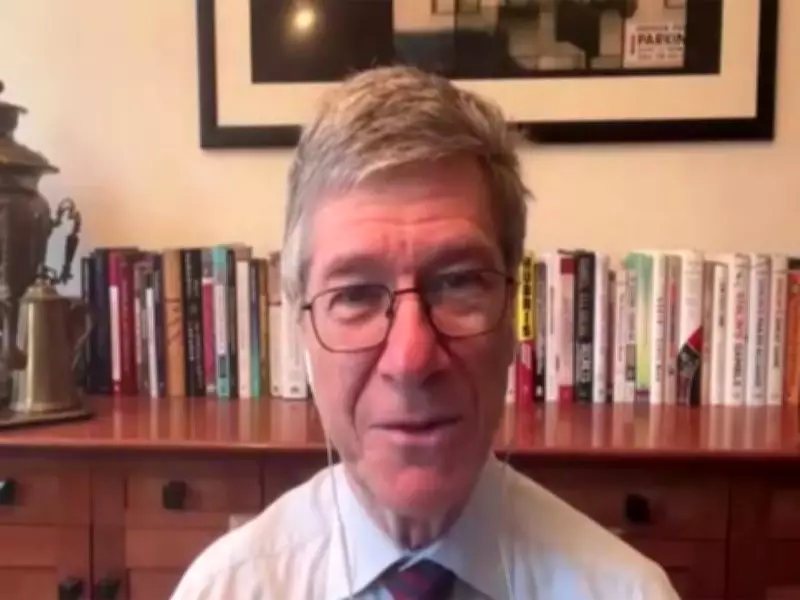
Jeffrey Sachs Issues Dire Warning Over Dubai's Vulnerability in Conflict
In a chilling assessment of regional tensions, prominent economist Jeffrey Sachs has raised alarm bells about the potential fate of Dubai, suggesting the glittering metropolis could be "blown up" if the United Arab Emirates (UAE) enters a war. Sachs, known for his work in sustainable development and global economics, delivered this stark warning amid escalating geopolitical instability in the Middle East.
Geopolitical Risks to UAE's Economic Hub
Sachs emphasized that Dubai, as a global financial and tourism hub, is particularly exposed to military threats due to its strategic location and economic significance. He argued that any involvement of the UAE in regional conflicts, such as those involving Iran or other neighboring states, could trigger retaliatory strikes targeting key infrastructure in Dubai. This includes its iconic skyscrapers, ports, and airports, which are vital to the emirate's economy.
The economist pointed out that the UAE's foreign policy decisions, including alliances and military engagements, heighten these risks. He noted that while the UAE has maintained a relatively stable position, its increasing role in regional affairs could draw it into hostilities, with Dubai bearing the brunt of any attacks due to its concentration of assets and population.

Implications for Global Stability and Economy
Sachs' warning extends beyond local concerns, highlighting broader implications for global stability. Dubai serves as a critical node in international trade, finance, and logistics, and its destruction would disrupt supply chains, affect oil markets, and shake investor confidence worldwide. This scenario underscores the interconnectedness of regional conflicts and global economic health, with Sachs urging diplomatic solutions to avert such a catastrophe.
He called for enhanced international efforts to de-escalate tensions in the Middle East, stressing that preventive diplomacy is crucial to protect not only Dubai but also global interests. Sachs recommended that the UAE prioritize neutrality and conflict resolution to safeguard its cities from potential devastation.
Historical Context and Future Precautions
Reflecting on past conflicts in the region, Sachs noted that urban centers like Dubai have often been targets in wars, citing examples from other Middle Eastern nations. He advised that the UAE invest in robust defense systems and contingency plans to mitigate risks, but emphasized that the best defense is avoiding war altogether.
- Dubai's vulnerability stems from its economic centrality and dense infrastructure.
- Regional conflicts could escalate rapidly, endangering civilian populations.
- International cooperation is key to preventing such disasters.
In conclusion, Jeffrey Sachs' warning serves as a sobering reminder of the fragility of peace in volatile regions. As Dubai continues to thrive as a symbol of modernity and prosperity, his words urge stakeholders to weigh the costs of conflict carefully and pursue paths of dialogue and stability.