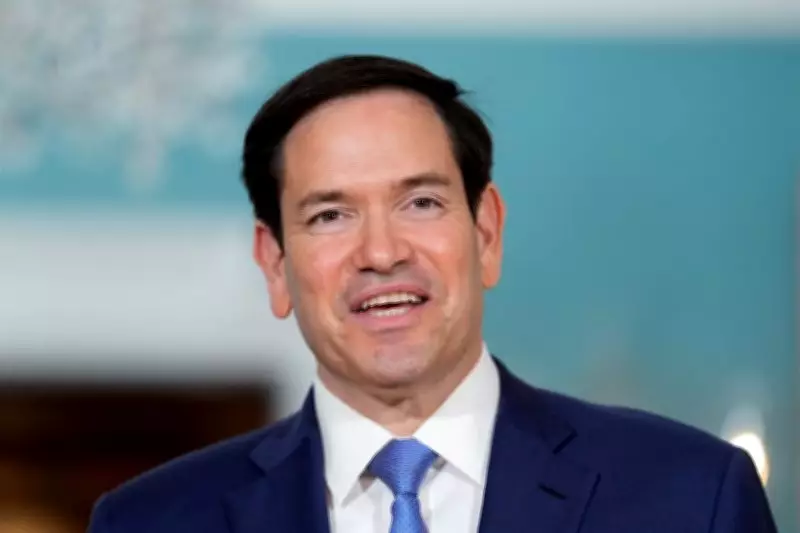
Rubio's 2017 Warning Gains New Relevance Amid Trump's NATO Exit Considerations
In a striking echo from the past, a warning issued by U.S. Senator Marco Rubio in 2017 has resurfaced as former President Donald Trump weighs a potential exit from the North Atlantic Treaty Organization (NATO). The cautionary statement, which emphasized that "no president should exit NATO alone," underscores deep-seated concerns about alliance unity and the broader implications for global security.
Historical Context and Current Implications
Back in 2017, during a period of heightened geopolitical tensions, Senator Rubio, a Republican from Florida, voiced strong opposition to any unilateral withdrawal from NATO. He argued that such a move would undermine the collective defense pact that has been a cornerstone of transatlantic security since its inception in 1949. Rubio's warning was rooted in the belief that NATO's strength lies in its mutual commitments among member states, and that a solo exit could destabilize international relations and embolden adversaries.
Fast forward to the present, as Donald Trump, who has long been critical of NATO, reportedly considers pushing for a U.S. withdrawal if he returns to office. This potential shift has reignited debates over America's role in the alliance and the risks of going it alone. Experts note that Trump's previous tenure saw strained relations with NATO partners, including disputes over defense spending and strategic priorities, making Rubio's cautionary words particularly pertinent now.

Key Concerns and Global Reactions
The resurgence of Rubio's warning highlights several critical issues. First, there is the matter of alliance cohesion. NATO operates on the principle of collective defense, as outlined in Article 5, where an attack on one member is considered an attack on all. A unilateral U.S. exit could weaken this principle, potentially leading to fragmentation and reduced deterrence against threats from nations like Russia or China.
Second, the economic and strategic ramifications are significant. The U.S. has historically been a leading contributor to NATO, both in terms of military capabilities and financial support. A withdrawal could force other members to ramp up their defense budgets, but it might also create power vacuums and increase instability in regions like Eastern Europe.
Global reactions to Trump's considerations have been mixed. Some allies express alarm, fearing that a U.S. pullback could embolden aggressive actors and undermine decades of security cooperation. Others, however, see it as an opportunity for Europe to assert greater strategic autonomy. Nonetheless, Rubio's warning serves as a reminder that such decisions should not be made in isolation, but through consultation and consensus within the alliance.
Broader Implications for International Security
Beyond NATO, the situation raises questions about the future of multilateralism and U.S. foreign policy. If Trump moves forward with an exit, it could signal a broader retreat from international commitments, affecting other alliances and global governance structures. This aligns with Rubio's 2017 argument that presidents must consider the long-term consequences of their actions on global stability.
In conclusion, as Trump weighs a potential NATO exit, Rubio's three-year-old warning echoes loudly, emphasizing that no president should act alone in such matters. The stakes are high, with implications for alliance unity, global security, and the enduring value of collective defense in an increasingly uncertain world.