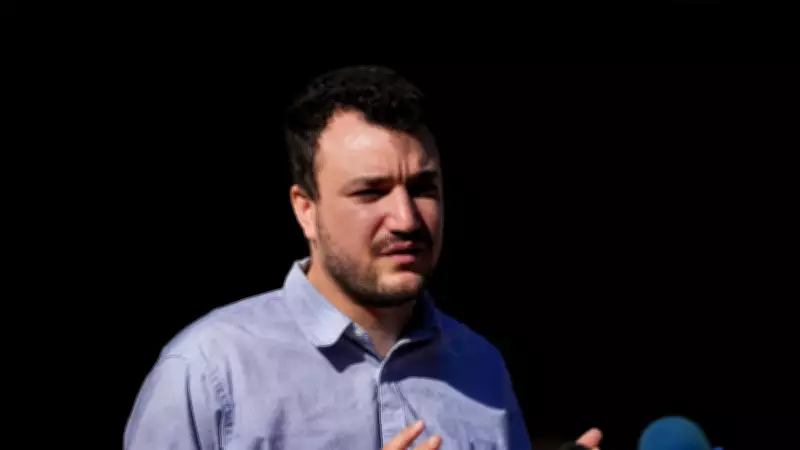
Palestinian Activist Mahmoud Khalil Loses Deportation Appeal, Faces Removal Order
The Board of Immigration Appeals has issued a final order of removal for Mahmoud Khalil, a Palestinian activist and Green Card holder, rejecting his latest bid to avoid deportation. This decision brings Khalil a step closer to being expelled from the United States, though his legal team asserts he cannot be lawfully detained or deported while pursuing a separate case in the federal court system.
Khalil's Reaction and Legal Battle
Khalil expressed no surprise at the ruling, stating, "I am not surprised by this decision from the biased and politically motivated Board of Immigration Appeals. I have committed no crime. I have broken no law. The only thing I am guilty of is speaking out against the genocide in Palestine — and this administration has weaponized the immigration system to punish me for it." His lead immigration attorney, Marc Van Der Hout, condemned the decision, calling it "baseless and politically motivated" and vowing to continue the fight. "Federal courts have already agreed that Mahmoud was targeted for his speech, and there is likely much more evidence of the government's unlawful retaliation that has yet to come to light," Van Der Hout added.
Background and Arrest Details
Mahmoud Khalil, a 31-year-old Green Card holder, was arrested on March 8, 2025, from his Columbia University residential building in Manhattan. Agents detained him after he confirmed his identity upon returning home. The arrest became a significant flashpoint during Donald Trump's second administration, with the government alleging his alignment with Hamas due to his leadership in pro-Palestinian protests at Columbia. Khalil spent 104 days in an immigration jail, missing the birth of his first child, before being ordered released by a federal judge in New Jersey without any charges filed. Born in Syria, Khalil holds Algerian citizenship through a distant relative.

Next Steps in the Legal Process
Despite the removal order, Khalil's attorneys emphasize that deportation is not imminent as they challenge the decision in federal court. They argue that the Board of Immigration Appeals' ruling lacks support in the record and violates a federal court order, highlighting ongoing concerns about retaliation for Khalil's First Amendment rights. The case continues to draw attention to issues of free speech and immigration enforcement in the United States.