

Candace Owens Demands Transparency in Pentagon-Vatican Controversy
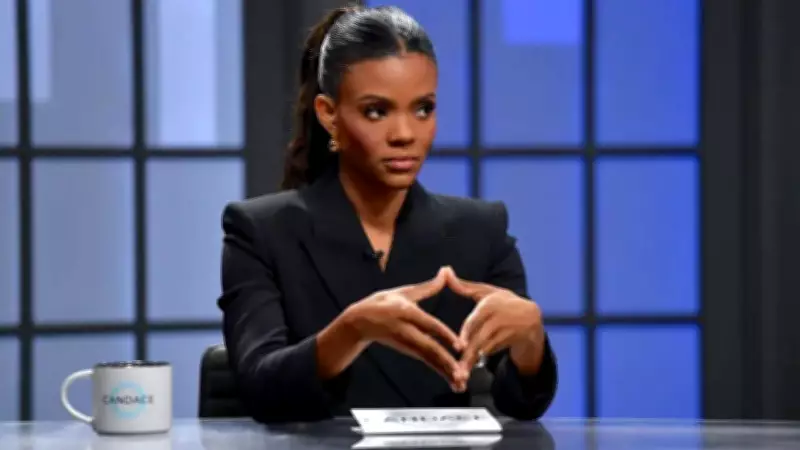
The diplomatic relationship between the United States and the Vatican has taken an unexpected turn, with conservative commentator Candace Owens stepping into the fray to demand answers. Reports have surfaced alleging that senior Pentagon officials contacted the Vatican's envoy following a speech by Pope Leo XIV that criticized American foreign policy, sparking widespread alarm and heated debate across political and religious circles.
Alleged Warning Follows Pope's Critical Remarks
The controversy centers on an alleged meeting between U.S. officials and a Vatican representative after Pope Leo XIV delivered remarks openly denouncing what he described as "forceful diplomacy" and expanding global influence in world politics. According to emerging reports, this interaction included a warning delivered to the Vatican's envoy, raising serious questions about the nature and content of the exchange between the two powerful institutions.
Candace Owens has responded cautiously but firmly to these developments, framing her comments with careful precision. "Assuming this is true..." she began, acknowledging the unverified nature of the claims while emphasizing the gravity of the situation. Despite this caveat, Owens made it unequivocally clear that transparency must be paramount when dealing with such serious allegations involving international diplomacy and religious authority.

Owens Calls for Specific Accountability
The commentator pressed further, demanding specific accountability from the White House. "We need to know who specifically in the White House threatened the Vatican envoy," Owens stated emphatically. "The actual names of the individuals involved should be known to the public." Her remarks reflect a growing public demand for clarity, particularly as the alleged message reportedly suggested that American military power should influence the Church's stance on global matters.
This reported exchange occurs during a particularly fragile moment in international relations. Pope Leo XIV has been increasingly vocal about escalating tensions in the Middle East, especially following recent military actions involving the United States and its allies. The pontiff's warnings have carried a distinctly humanitarian tone, addressing specific concerns about regional stability and civilian welfare.
Pope's Humanitarian Appeal Amid Global Crises
"Today, as we all know, there was this threat against the entire people of Iran, and this is truly unacceptable," the Pope declared in his recent address. He continued by highlighting the broader challenges facing the international community: "We have a worldwide economic crisis, an energy crisis, situation in the Middle East of great instability, which is only provoking more hatred throughout the world."
In his final appeal, Pope Leo XIV urged global leaders to pursue peaceful solutions: "Come back to the table, let's talk, let's look for solutions in a peaceful way and let's remember especially the innocent children, the elderly, sick, so many people who have already become or will become victims of this continued warfare."
Uncertainty Surrounds Developing Story
Currently, the situation remains shrouded in uncertainty with limited verified facts available. However, the potential implications are significant for both diplomatic relations and religious freedom. As voices like Candace Owens continue to push for greater transparency and accountability, attention now focuses on whether concrete details will emerge to clarify the controversy or if the matter will remain unresolved amid competing narratives and diplomatic sensitivities.
The intersection of military authority, religious influence, and diplomatic protocol creates a complex web of considerations that will likely continue to generate discussion and scrutiny in the coming weeks. The fundamental questions about appropriate boundaries between state power and religious institutions remain at the heart of this developing story, with implications that extend far beyond the immediate parties involved.






