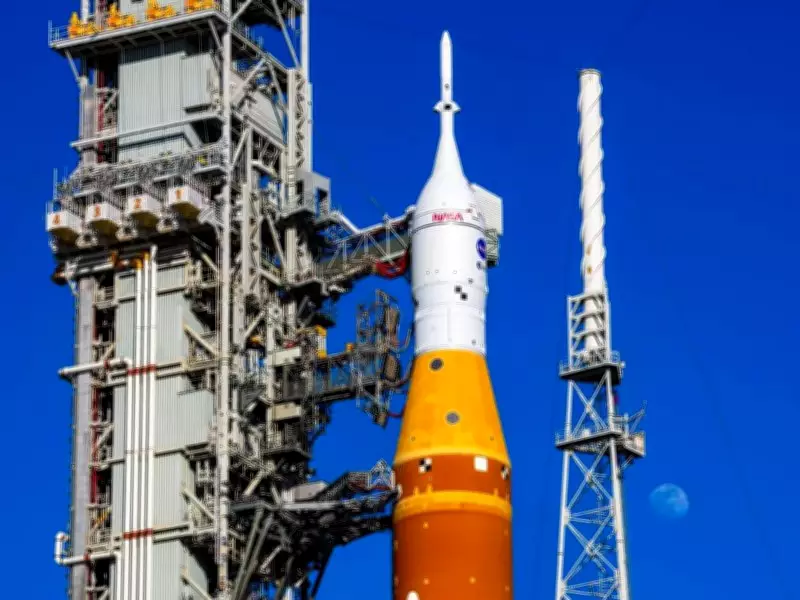
NASA Postpones Artemis II Manned Moon Mission Launch Due to Helium Flow Issue
In a significant development for space exploration, NASA has announced the postponement of the highly anticipated Artemis II manned mission to the Moon. The decision comes after engineers discovered a helium flow anomaly within the service module of the Orion spacecraft, which is critical for the mission's success and crew safety.
Discovery of Helium Leak Prompts Safety Review
The issue was identified during pre-launch testing and analysis, where technicians detected an unexpected flow of helium in the spacecraft's service module. Helium is a vital component used to pressurize and purge fuel systems, ensuring the proper functioning of propulsion and life support systems during the mission. NASA officials emphasized that while the leak does not pose an immediate danger, it requires thorough investigation and resolution to meet the agency's stringent safety standards for human spaceflight.
This delay underscores NASA's unwavering commitment to astronaut safety, a principle that has guided the agency since its inception. The Artemis II mission, which aims to send astronauts on a lunar flyby, is a crucial step toward returning humans to the Moon's surface and eventually to Mars.

Impact on Artemis Program Timeline
The postponement is expected to affect the overall timeline of the Artemis program, which targets a crewed lunar landing by 2025. NASA has not specified a new launch date for Artemis II, stating that engineers need time to assess the helium flow issue, develop repair plans, and conduct additional tests. This cautious approach reflects lessons learned from past space missions, where addressing technical glitches proactively has prevented potential disasters.
The delay may also influence subsequent missions, including Artemis III, which is planned to land astronauts near the lunar south pole. However, NASA remains optimistic about overcoming this challenge, leveraging expertise from previous missions and international partnerships.
Technical Details and Next Steps
The helium leak was found in the service module, a component built by the European Space Agency (ESA) that provides power, propulsion, and thermal control for the Orion capsule. Key aspects of the investigation include:
- Identifying the exact source and cause of the helium flow anomaly.
- Evaluating whether repairs can be made on the ground or if hardware replacements are necessary.
- Conducting rigorous testing to ensure the fix does not compromise other systems.
NASA plans to collaborate with ESA and other partners to resolve the issue efficiently. The agency will provide updates as the review progresses, maintaining transparency with the public and stakeholders.
Broader Implications for Space Exploration
This delay highlights the complexities and risks inherent in manned space missions, especially as humanity ventures beyond low-Earth orbit. It serves as a reminder that meticulous preparation and safety protocols are paramount in space exploration. Despite the setback, the Artemis program continues to inspire global interest in lunar exploration and scientific discovery.
In conclusion, NASA's decision to roll back the Artemis II launch demonstrates a prudent focus on safety over schedule. As engineers work to address the helium flow discovery, the world watches with anticipation, hopeful for a successful mission that will pave the way for future lunar and Martian expeditions.