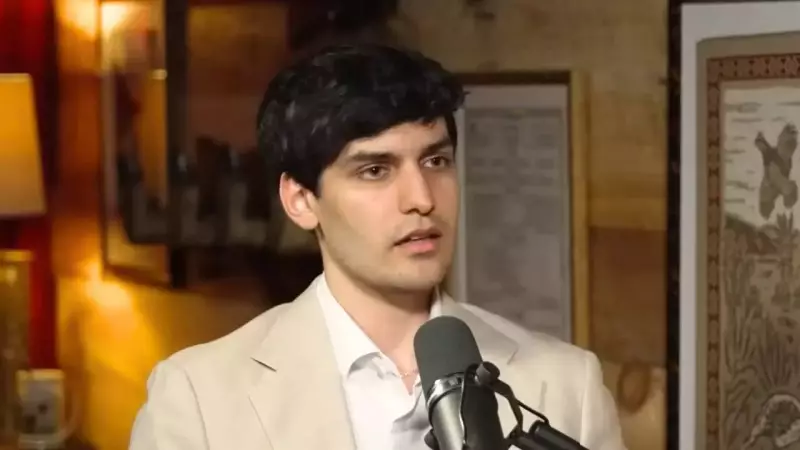
Nalin Haley, the 20-year-old son of former South Carolina governor and Republican presidential candidate Nikki Haley, has issued a sharp public rebuttal against media reports positioning him as an emerging political voice for Generation Z. In a strongly worded statement, he denied any ambition to become a youth leader or spokesperson for his generation.
"I Never Said I Was The Voice of Gen Z": A Firm Denial
In a viral social media post, Nalin Haley pushed back against the growing narrative that he represents a wave of disillusioned young conservatives. He explicitly stated he has no desire to become a public figure and is not seeking influence. "I never said I was the voice of Gen Z," he wrote. "It was never my intention to get any platform and it still isn't."
He further emphasised his lack of interest in building a media presence, claiming he turns down "95 percent of media requests" and has no plans to start podcasts, YouTube channels, or monetise his opinions. His motivation for speaking out, he insists, stems purely from being "sickened" by what he perceives as the destruction and disrespect happening in the United States.

Why Nalin Haley's Views Are Under Scrutiny
Despite his rejection of a public role, Nalin Haley's comments on several key issues have drawn significant attention and framed the media narrative around him. His publicly shared stances include:
- Calling for an end to legal immigration, including the H-1B visa programme, arguing it harms opportunities for American youth.
- Suggesting that naturalised citizens should be barred from holding public office.
- Describing dual citizenship as "the stupidest idea" and questioning its implications for loyalty.
- Warning that some foreign students could be "spies" and urging tighter safeguards.
- Distancing himself from his Indian heritage, stating his loyalty "lies solely with America."
These uncompromising positions have led political analysts and commentators to place him within a cohort of young conservatives who hold views further to the right than older Republican figures, including his mother.
The Clash Between Personal Intent and Public Perception
The idea that Nalin Haley reflects a broader generational shift gains context from recent polling. Studies from institutions like the Pew Research Center and Harvard’s Institute of Politics indicate that Gen Z voters are increasingly distrustful of institutions and uncertain about their political identity. Some commentators have viewed Nalin's frustrated tone as a reflection of this sentiment.
However, he firmly rejects this interpretation. He clarified that he speaks out only due to personal dismay at the state of the nation and disrespect towards his fellow Americans, particularly in his generation. This underscores a clear tension: his personal intention to remain a private citizen versus the wider political impact and interpretation of his public statements.
Attention on him is also amplified by Nikki Haley's rising national profile. In an era of intense scrutiny on candidates' families, his sharp remarks inevitably spark debate on whether they mirror a wider Gen Z sentiment or are merely individual views.
Analysts note his comments resonate with some conservative young people who feel alienated by economic pressures, cultural shifts, and political stagnation. This contributes to the perception of him being part of a wider mood, regardless of his own aspirations. For now, Nalin Haley maintains that anger, not ambition, drives his posts, and that the media attention is misplaced. Yet, the intensity of his remarks ensures he remains a part of the political conversation surrounding the future of American conservatism.