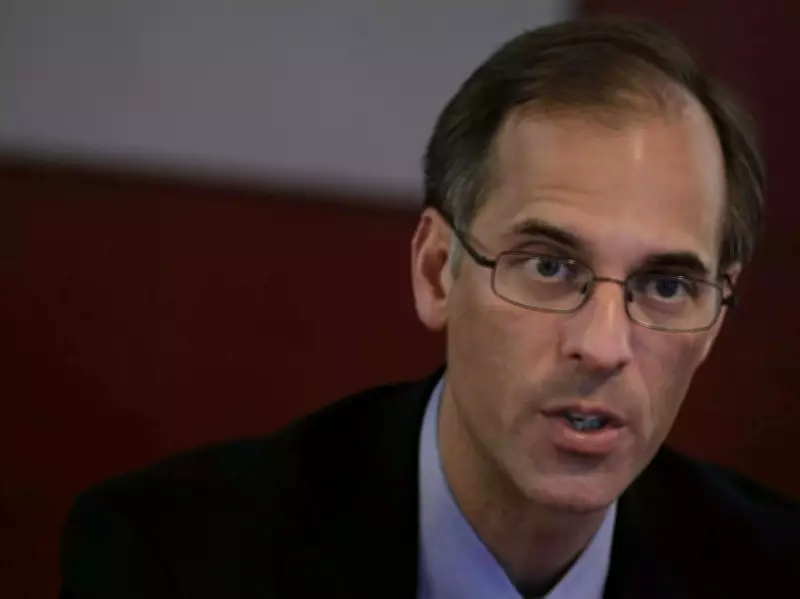
Moody's Analytics chief economist Mark Zandi has once again raised concerns about the state of the US economy. In his latest newsletter, reported by Business Insider, Zandi warned that while GDP has increased this year, the pace of growth remains below its potential. "The economy is growing, but at a rate below its potential, so the situation is tenuous," he wrote. "Unless growth picks up, unemployment will rise and participation will fall, and at some point, undermine growth altogether."
Impact of Tariff and Immigration Policies
Zandi has repeatedly criticized the tariff and immigration policies of US President Donald Trump, warning that these measures have pushed the US economy closer to recession. He noted that consumer prices, particularly fuel costs, have risen due to the Iran war, offsetting the benefits of recent tax cuts. "The soft job market is depressing wage growth, and with inflation accelerating, real wage growth has all but stalled," Zandi said, adding that real disposable income has not grown over the past year.
Concerns Over Federal Reserve Policy
Zandi also expressed unease about the Federal Reserve under new chair Kevin Warsh. He believes that below-potential growth and economic slack would normally justify interest rate cuts, but inflation running close to 4%—double the Fed's target—constrains policymakers. He warned that if inflation expectations continue to rise, the Fed may be forced to raise rates further, even at the risk of triggering a full recession. "Economic pain in the short term should be preferable to worse economic conditions in the months ahead," Zandi cautioned.

Path to Stability
To avoid derailing the economy, Zandi outlined two critical conditions: the Iran war must end soon to normalize global oil production and prices, and the AI buildout must continue to contribute to overall growth.
US Economy on a Critical Threshold
In a recent interview with Bloomberg, Zandi said that the increase in oil prices triggered by stalled negotiations has pushed the US economy to a critical threshold. Iran recently announced it would halt negotiations and block the Strait of Hormuz until its demands are met, sending Brent and US crude oil prices up by about 7%. This disruption threatens global energy supplies and has driven the US national average gas price to $4.32 per gallon. Zandi warned that if prices climb to $5 per gallon, consumer spending could collapse, tipping the US economy into recession. He emphasized that a peace deal must be reached within "the next day, to days, three days, next week or so." Beyond that, he said, "we've got a real problem." He pointed to dwindling US oil reserves, with the Strategic Petroleum Reserve falling to 365 million barrels, the lowest in two years. Rising crude prices above $125 per barrel would mark another critical threshold signaling recession risk.