The city of Minneapolis, still scarred by a series of recent tragedies, has been plunged into a fresh crisis following the fatal shooting of a mother of three by a federal immigration agent. The incident, which occurred on Wednesday, has triggered widespread grief, protests, and a painful sense of déjà vu for a community that has become all too familiar with trauma.
A City Confronts Another Tragedy
On Thursday, residents awoke to the aftermath of the fatal shooting of 37-year-old Renee Good in a middle-class neighbourhood. The event, involving an agent from U.S. Immigration and Customs Enforcement (ICE), immediately drew global attention and polarised reactions. For many in Minneapolis, it felt like a grim replay of past crises, from the killing of George Floyd in May 2020 to more recent mass shootings and political scandals.
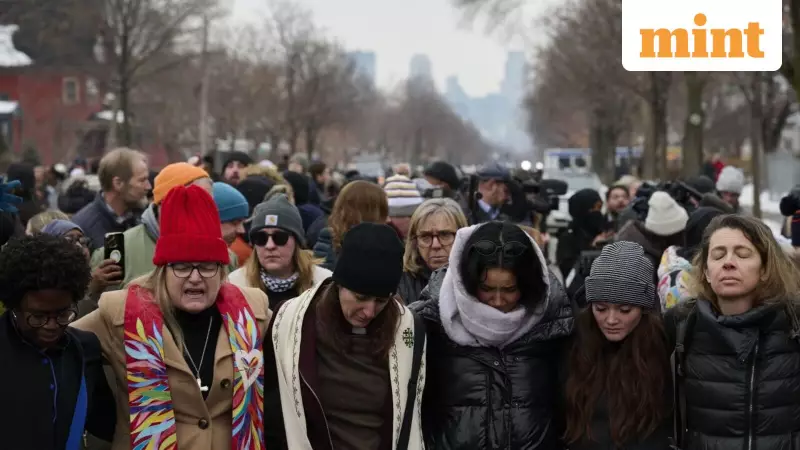
Schools across the city closed for safety. Vigils and protests erupted spontaneously, with demonstrators gathering on snowbanks during an unseasonably warm January day. Local clergy and community members converged at the site on Portland Avenue, struggling to comprehend the loss. The street, typically lined with homes featuring screened-in porches, was transformed into a memorial, blocked by impromptu barricades.

Conflicting Narratives and Community Anguish
The official account from Homeland Security states that the agent fired in self-defense after Good attempted to run over officers. However, this version has been fiercely disputed by state and city officials. They cite social media videos that appear to support witness claims that Good was trying to flee the scene, not harm anyone.
"It feels like there’s some PTSD because there’s a similar trauma that comes with this," said Rev. Nathan Melcher, a United Methodist Pastor with a nearby parish. The sentiment was echoed by 53-year-old David Wehde, a neighbour walking his dogs near the site. "I think probably I’m not alone in wondering how I feel—like I think a lot of people are in that same place," he shared, capturing the community's confusion and sorrow.
At the Whipple Federal Building, local ICE headquarters, tensions were palpable. More than 100 heavily armed federal officers formed a line as dozens of protesters gathered. Demonstrators like Lauren Johnson, a 40-year-old designer, voiced their despair. "We’re losing everything, and I feel really hopeless," she said, holding a sign bearing Good's name. Border Patrol commander Greg Bovino, known for leading militarised operations in other cities, oversaw the federal presence.
Political Fallout and Fears of Escalation
The shooting has ignited a fierce political battle, intersecting with Minnesota's existing crises. Governor Tim Walz condemned the federal decision to exclude state officials from the investigation and urged calm, warning against actions that could provoke a larger federal crackdown. "Do not take the bait," Walz pleaded. "Do not allow them to deploy federal troops into here."
Republican representatives, however, placed the blame squarely on state leadership. Rep. Michelle Fischbach blamed Walz and Minneapolis Mayor Jacob Frey for the surge of roughly 2,000 ICE personnel into the area, linking it to a broader immigration fraud scandal. The political vitriol spilled onto the House floor, where Minnesota representatives engaged in a shouting match.
Despite the division, a thread of resilience runs through the community. Julie Young, a retired nurse practitioner protesting outside the federal building, expressed a determined hope. "We’ve been through some really hard things as a community. We are amazingly resilient... and I have great faith that we can affect the change that we know has to happen here." As Minneapolis mourns Renee Good, the city once again finds itself at the centre of a national debate over justice, immigration, and the use of force.