Hasan Minhaj's Deep Dive into the H-1B Visa Controversy and Its Political Implications
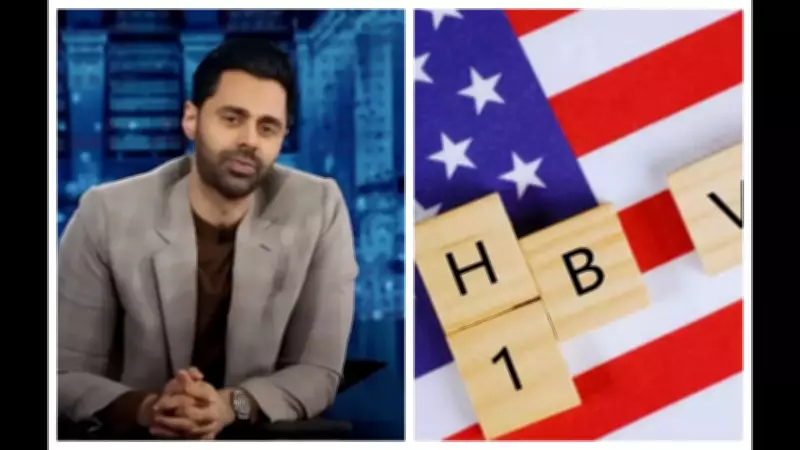
In his latest YouTube release, comedian and political commentator Hasan Minhaj tackles the heated H-1B visa debate in the United States, presenting a compelling analysis that frames this immigration issue as central to understanding the future trajectory of the Republican Party. Minhaj argues that grasping the MAGA movement's opposition to the H-1B program is not just about visa policies but reveals deeper ideological shifts within conservative politics.
The Crucial "M Word": Merit and the Blurring Lines of Immigration
Minhaj emphasizes that for the current administration, the most critical "M word" is not MAGA or other political terms, but "merit." This concept, he explains, traditionally distinguishes between documented and undocumented immigrants, creating a framework for legal immigration. However, Minhaj points out that this line became significantly blurred during the second Trump administration, which launched with a major MAGA-led feud over H-1B visas.
"I mean, actually, our country was built by third-world invaders looking for India. And now that we show up, now you're mad. I mean, we literally came with the spices that you were looking for. Think of it as a Door Dash that took 400 years," Minhaj quipped, using humor to highlight historical ironies in immigration debates.

Tech Billionaires Versus the Nativist Wing of MAGA
Minhaj's analysis identifies two primary factions in the H-1B controversy. On one side stand tech billionaires and industry leaders who champion the H-1B program as essential for recruiting top global talent, particularly from countries like India. Opposing them is the nativist wing of the MAGA movement, spearheaded by figures such as Steve Bannon, who view the program as threatening American jobs and cultural identity.
The comedian delves into allegations of H-1B misuse, referencing news clips and a 2017 interview with former Congressman Bruce Morrison, who authored the original H-1B legislation. Morrison expressed concerns that loopholes in the bill were being exploited, validating some criticisms while complicating the debate.
Republican Party's Complex Relationship with Indian Americans
Addressing perceptions that the Republican Party harbors animosity toward Indians, Minhaj highlights prominent Indian American figures within conservative ranks, including Vivek Ramaswamy, Usha Vance, Nikki Haley, and Kash Patel. While noting that these individuals were not born in India, Minhaj describes them as possessing "big Green Card energy" and representing voices that assert America is not fundamentally racist.
Minhaj recalls that former President Donald Trump largely avoided taking action against H-1B visas until September of his final year in office, when he imposed a substantial $100,000 fee. The comedian speculates humorously that Trump might have been reluctant to implement this fee earlier, possibly feeling pressured by the rise of Gen Z conservatives within the party.
The Emerging Faces of H-1B Opposition and Cultural Warfare
Following the death of conservative commentator Charlie Kirk, Minhaj observes that numerous figures are vying to become the new face of H-1B opposition, naming Natalie Winters and Brett Cooper as prominent examples. These voices, he notes, are fixtures at Turning Point USA events and similar conservative gatherings.
Minhaj contrasts how different politicians navigate this landscape, suggesting that Vivek Ramaswamy faced criticism from these crowds, while Vice President JD Vance managed to avoid similar backlash, perhaps by distancing himself through references to his Hindu wife. The analysis extends to Nikki Haley's staunch opposition to H-1B visas, illustrating how this policy issue has evolved into a broader culture war within Republican politics.
Broader Implications for US Politics and Immigration
Minhaj's video ultimately positions the H-1B visa debate as a microcosm of larger political realignments. The conflict between pro-business elements seeking skilled immigration and nativist factions advocating for protectionist policies reflects fundamental tensions that will likely shape the Republican Party's platform and electoral strategies moving forward.

By blending comedic commentary with sharp political insight, Minhaj provides viewers with a nuanced understanding of how immigration policy intersects with partisan dynamics, offering a framework for anticipating future developments in US politics as the 2024 election cycle approaches.