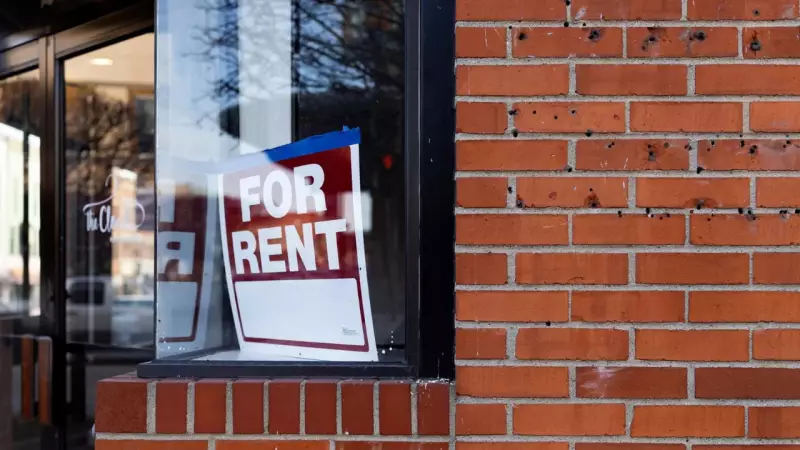
A significant report released by the US Department of Housing and Urban Development (HUD) has highlighted a major demographic shift in the American rental market. The study found that foreign-born migrants were responsible for a substantial two-thirds of the total growth in rental demand across the United States in recent years.
Regional Surge and Policy Response
The impact was particularly pronounced in key states. In California and New York, the growth in rental demand attributed to migrants reached 100 per cent, significantly straining local housing markets. These findings emerge against the backdrop of President Donald Trump's sustained focus on stricter border control and overhauling federal housing policies. "Eleven months ago, I inherited a mess. And I'm fixing it," President Trump stated, addressing the broader administrative challenges.
HUD officials have pointed out that this surge in demand has exerted upward pressure on housing costs, making it more difficult for American families, especially in major urban centers. The report also indicated that some migrants received housing assistance from HUD, raising concerns about the allocation of taxpayer funds to individuals who may not be eligible for such support.

Administrative Actions and Broader Reforms
In response, the Trump administration has implemented several corrective measures. Access to Federal Housing Administration (FHA)-insured mortgages has been restricted for ineligible residents. Furthermore, a dedicated hotline has been established to report instances of illegal occupants in HUD-assisted housing.
The administration's housing agenda extends beyond immigration-related issues. It has rescinded the Biden-era Affirmatively Furthering Fair Housing (AFFH) rule, which was criticized for imposing regulatory burdens on suburban communities. This move aims to reduce restrictions and encourage homeownership. "While working families were being ripped off by a massive welfare scam, Omar's campaign took money from convicted fraudsters, her husband launched a firm that suddenly ballooned in value, and [Minnesota Gov.] Tim Walz looked the other way," Kiersten Pels, a spokesperson for the Republican National Committee, told Fox News.
Opportunity Zones and Disaster Relief Efforts
Promoting Opportunity Zones has been another key focus. The administration touts these zones as a powerful tool for stimulating economic development and expanding homeownership. President Trump claimed these initiatives have helped lift over one million Americans out of poverty, attracted investments poised to exceed $100 billion, created more than one million jobs, and supported the construction of hundreds of thousands of new homes.
HUD's portfolio also includes extensive disaster relief work. The department has supported more than 350,000 faith-based organizations and distributed $12 billion in recovery funds to communities devastated by floods, storms, and other natural disasters.
Officials emphasize that the department's resources must be directed towards helping American citizens achieve self-sufficiency and the dream of owning a home, rather than being sidetracked by what they term "radical political ideology." Aligning with this goal, HUD has terminated wasteful contracts and enhanced safety protocols in shelters designed for vulnerable women.