

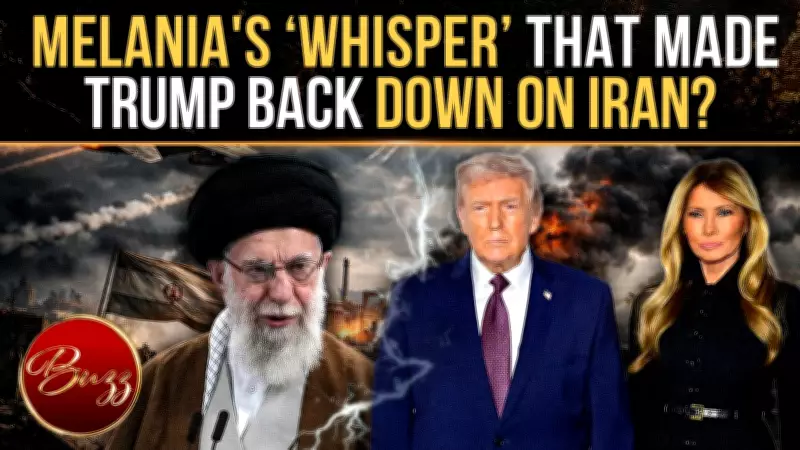
Melania Trump's Influence Linked to President's Iran Policy Reversal
First Lady Melania Trump has become the subject of intense political speculation after analysts suggested she may have influenced President Donald Trump's sudden policy shift regarding Iran during a period of escalating international tensions. As the United States, Israel, and Iran moved dangerously close to military conflict, a ceasefire was eventually achieved through diplomatic channels, marking a significant departure from earlier aggressive posturing.
The Whisper Bombshell Theory
Political observers and foreign policy experts are now examining what they term the "whisper bombshell" theory—the possibility that Melania Trump's private counsel to the president played a decisive role in his unexpected decision-making. While the White House has not officially commented on these claims, multiple sources within diplomatic circles suggest the First Lady's influence may have been a factor in the administration's calculated de-escalation.
Multiple Factors Behind the Policy Shift
Analysts emphasize that the president's reversal resulted from a complex interplay of several critical elements:

- Personal Influence: The potential impact of Melania Trump's perspective on her husband's decision-making process during a crucial geopolitical moment.
- Global Diplomatic Pressure: Intense international efforts to prevent further escalation in the Middle East region.
- Economic Considerations: Concerns about the potential market volatility and economic consequences of prolonged military engagement.
- Strategic Calculations: Broader geopolitical implications and long-term foreign policy objectives.
Context of Rising Tensions
The policy shift occurred during a particularly volatile period when diplomatic relations between the involved nations had deteriorated significantly. Military posturing had increased on multiple fronts, creating genuine concerns about the possibility of broader regional conflict. The eventual ceasefire, while welcomed by the international community, surprised many observers who had anticipated a different outcome based on previous administration statements and actions.
Expert Analysis and Speculation
Foreign policy specialists continue to debate the precise weight of each contributing factor to the president's decision. While some emphasize traditional diplomatic channels and international pressure as primary drivers, others point to the unique dynamics of the Trump administration, where personal relationships and unconventional advisory structures have sometimes played significant roles in policy formulation.
The emergence of these claims about Melania Trump's potential influence adds another layer to ongoing discussions about decision-making processes within the administration during critical foreign policy moments. As with many aspects of the Trump presidency, the full story may remain subject to interpretation and debate among historians and political analysts for years to come.






