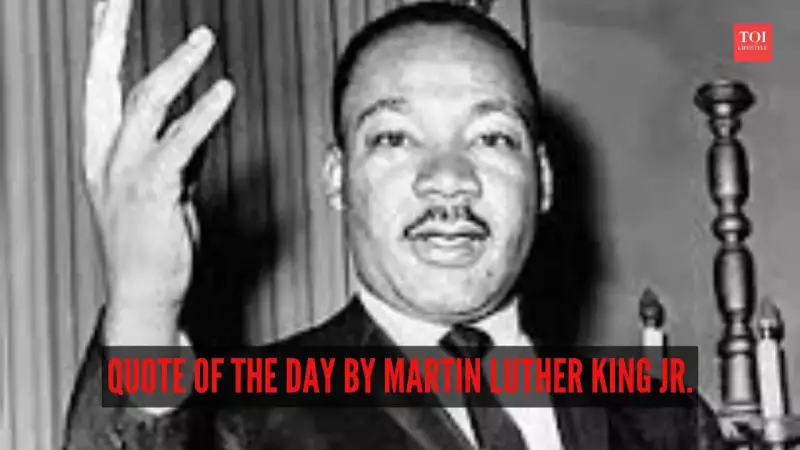
Martin Luther King Jr. remains one of the most inspirational leaders from the twentieth century. Born in 1929, this American Baptist minister played a central role in the civil rights movement. He demanded justice, equality, and dignity for African-Americans through nonviolent resistance.
The Foundations of His Philosophy
King drew deeply from Christian teachings and the philosophy of nonviolence championed by Mahatma Gandhi. He transformed the civil rights struggle into a moral cause that captured the world's attention. His approach turned local protests into a global rallying point for justice.
Historic Campaigns and Speeches
King demonstrated remarkable courage and clear direction throughout his life. He led several pivotal events that changed American history.

- The Montgomery Bus Boycott challenged segregation in public transportation.
- The Birmingham Campaign confronted racial injustice in one of America's most divided cities.
- The March on Washington featured his legendary "I Have a Dream" speech that still resonates today.
Despite constant threats of imprisonment and assassination, King never wavered from his vision of justice and love. His influence continues to shape contemporary discussions about human rights worldwide.
The Power of Self-Reflection in Leadership
One quote attributed to King reveals the introspective nature of his leadership. "I question and soul-search constantly into myself to be as certain as I can that I am fulfilling the true meaning of my work, that I am maintaining my sense of purpose, that I am holding fast to my ideals, that I am guiding my people in the right direction."
Understanding the Quote's Meaning
This statement emphasizes self-reflection as a leadership tool. King questioned himself not from doubt but from responsibility. He understood that meaningful work affecting people's lives required continuous evaluation of intentions and actions.
Through soul-searching, he ensured his efforts aligned with higher moral purposes rather than personal ambition or external validation. The quote highlights purpose-driven leadership where staying true to principles matters more than immediate outcomes.
Ethical Guidance Under Pressure
King spoke about maintaining a "sense of purpose" and "holding fast to ideals." This suggests leadership involves remaining principled under duress. When facing public praise or outrage, King turned inward. He checked his actions against his ideals of justice, equality, and love.
An inner moral compass helped him navigate fear, opposition, and uncertainty. The phrase "guiding my people in the right direction" shows his awareness of leadership responsibility extending beyond personal success to collective welfare.
Contemporary Relevance
King's words teach valuable lessons about conscious living and leadership. He reminds us that effective leadership begins within. In a world often focused on efficiency and external validation, King's approach emphasizes internal alignment.
Before pursuing external achievements, we should examine whether our actions reflect our deepest values. His legacy demonstrates how moral clarity and personal integrity can drive profound social change.