A self-identified MAGA patriot has stirred significant controversy by making inflammatory anti-India remarks during discussions about H-1B visa practices in Texas. The individual, identified as Blake Kresses, described the Hindu god Ganesh as a "demonic elephant" while sharing his experiences as a political campaigner in the Dallas–Fort Worth area.
Blake Kresses's Controversial Claims
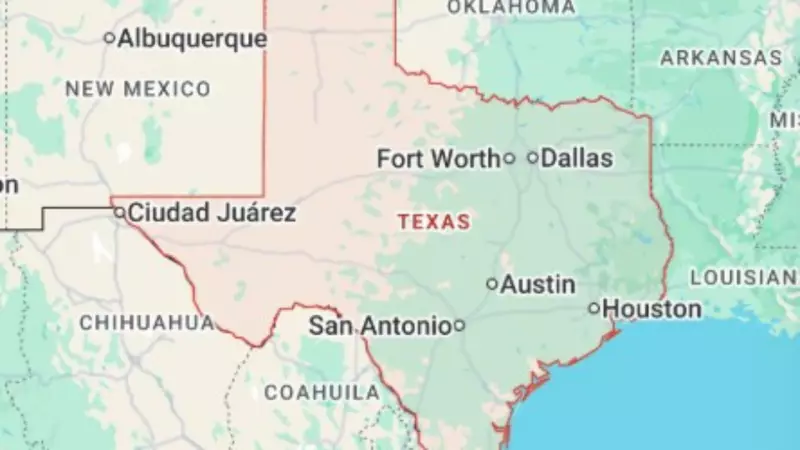
Kresses was responding to Texas journalist Sara Gonzales's H-1B exposé video when he made his controversial statements. "I worked on political campaigns in this area of DFW in 2022. Every door I knocked on, an Indian answered. They could barely speak any English. They all had demonic elephant idols in their windows," Kresses wrote in his social media post.
He further added, "You would not believe the number of nice, suburban homes taken up by migrants," amplifying his anti-immigrant rhetoric. These comments quickly drew condemnation from the Indian community and beyond.

Community Response to Hateful Remarks
Indian-origin commentator Anang Mittal offered a sharp rebuke to Kresses's statements, labeling him and those with similar views as "Hateful low-IQ tards out to make a quick buck." The exchange highlights growing tensions around immigration and cultural sensitivity in American political discourse.
Sara Gonzales's H-1B Investigation
The controversy emerged against the backdrop of Texas journalist Sara Gonzales's investigative video about potential H-1B visa abuses. Gonzales visited two addresses of companies that had previously hired H-1B workers according to USCIS records, but found no offices at those locations.
During her investigation, Gonzales encountered a man whose name appeared in official records at a residential address. The situation escalated when the individual called the police after Gonzales began questioning him about past H-1B employees he had hired.
Legal Context of H-1B Practices
While Gonzales's video has fueled anti-H-1B and anti-India sentiment among some viewers, immigration experts familiar with H-1B staffing practices have noted important legal nuances. They point out that listing a residential address for H-1B paperwork is not illegal if the operation constitutes a legitimate H-1B body shop – businesses that hire H-1B workers for placement with other companies.
Some commentators have compared Gonzales's exposé to Nick Shirley's earlier video about Minnesota child care homes, though the legal contexts differ significantly.
Political Dimensions of the Immigration Debate
The H-1B discussion in Texas has taken on distinct political overtones. Before Gonzales released her video, Aaron Reitz, a candidate for Texas Attorney General, made controversial statements about preventing Texas counties from transforming into what he described as "Calcutta, Delhi, and Hyderabad."
These political statements, combined with Kresses's inflammatory remarks, have created a charged atmosphere around immigration and cultural diversity in Texas. The situation reflects broader national debates about immigration policy, cultural integration, and religious sensitivity in increasingly diverse American communities.
The incident underscores how immigration discussions can sometimes veer into harmful stereotypes and religious insensitivity, creating challenges for constructive dialogue about legitimate policy concerns surrounding visa programs and immigration practices.