Silicon Valley Investor Vinod Khosla Blasts US Lawmakers Over AI Regulation Warnings
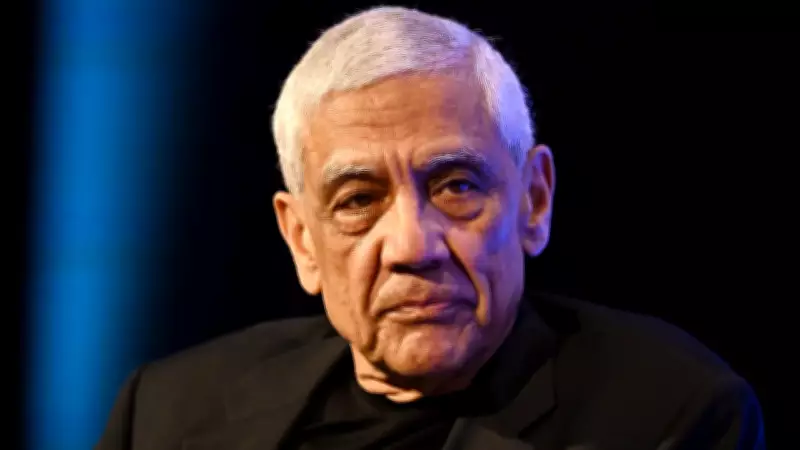
Indian-origin billionaire and prominent technology investor Vinod Khosla has launched a blistering attack on US lawmakers Bernie Sanders and Ro Khanna following their recent comments about artificial intelligence regulation. In a fiery post on social media platform X, Khosla wrote: "Bernie Sanders, Ro Khanna warn of AI's potential negative consequences. Morons like Ro Khanna and Bernie Sanders will stop all the good AI can do to protect their religion. Good intentions but bad outcomes is ok for these socialists/commie."
The Stanford University Exchange That Sparked the Controversy
The heated exchange originated from a public discussion on artificial intelligence held at Stanford University. During a town hall event on February 20, 2026, Senator Bernie Sanders expressed significant concerns about the rapid advancement of artificial intelligence technology. Sanders argued that AI is developing at a pace that existing economic and political systems cannot adequately absorb or regulate.
The Vermont senator cast serious doubt on Silicon Valley's optimistic claims that artificial intelligence will naturally deliver broad public benefits to society. Sanders pointed to historical patterns during previous technological revolutions, noting that similar assurances had been made while wealth and power became increasingly concentrated among a small elite. He warned that rapid AI deployment, if left primarily to market forces without proper safeguards, could accelerate widespread job losses and dramatically widen economic inequality across the United States.

Ro Khanna's Framework for "Democratic AI"
Congressman Ro Khanna, who represents California's Silicon Valley district, presented what he described as a comprehensive framework for "democratic AI" during the Stanford discussion. Khanna contended that current artificial intelligence development trends overwhelmingly favor large technology corporations with substantial resources and data access.
The California representative argued that AI systems should be designed to prioritize worker augmentation rather than worker replacement. Khanna suggested that thoughtful policy intervention would be necessary to prevent productivity gains from flowing primarily to corporate entities rather than benefiting workers and broader society. While acknowledging potential positive applications of AI in critical areas such as healthcare delivery and clean energy solutions, Khanna emphasized these outcomes were not guaranteed without proper oversight and criticized what he described as Silicon Valley's persistent tendency to resist external regulation.
Vinod Khosla's Defense of Accelerated AI Development
Vinod Khosla, the co-founder of Sun Microsystems and a prominent venture capitalist who has invested heavily in artificial intelligence companies, responded forcefully to the lawmakers' warnings. Khosla has repeatedly argued in public forums that excessive caution and premature regulation could dangerously delay technological breakthroughs that have the potential to substantially improve global living standards.
In his social media post responding directly to the Stanford University event, Khosla framed the lawmakers' warnings as ideologically driven rather than evidence-based. The billionaire investor asserted that slowing artificial intelligence development through regulatory measures could block critical advances in multiple vital sectors including healthcare delivery systems, medical research methodologies, pharmaceutical drug discovery processes, educational technologies, clean energy solutions, scientific innovation, and overall economic productivity. Khosla maintained that such regulatory interference would prevent artificial intelligence technology from delivering its promised broader societal benefits and improvements to human welfare.

Growing Tensions Between Silicon Valley and Policymakers
This public confrontation highlights widening tensions between influential segments of Silicon Valley and elected policymakers regarding how artificial intelligence should be governed and regulated. The disagreements are increasingly playing out both at high-profile public forums like university discussions and on social media platforms where technology leaders and politicians engage directly with their audiences.
The fundamental conflict centers on competing visions for artificial intelligence's future development trajectory. On one side, lawmakers like Sanders and Khanna advocate for precautionary approaches and regulatory frameworks to ensure AI benefits are distributed equitably and potential harms are mitigated. On the opposing side, technology investors like Khosla champion accelerated development with minimal regulatory interference, believing market forces and technological innovation will naturally produce optimal societal outcomes.
This episode represents just one manifestation of an ongoing, complex debate that will likely intensify as artificial intelligence capabilities continue advancing rapidly. The outcome of these tensions could significantly influence how AI technologies are developed, deployed, and regulated in the coming years, with profound implications for economic structures, employment patterns, and social equity across the United States and globally.