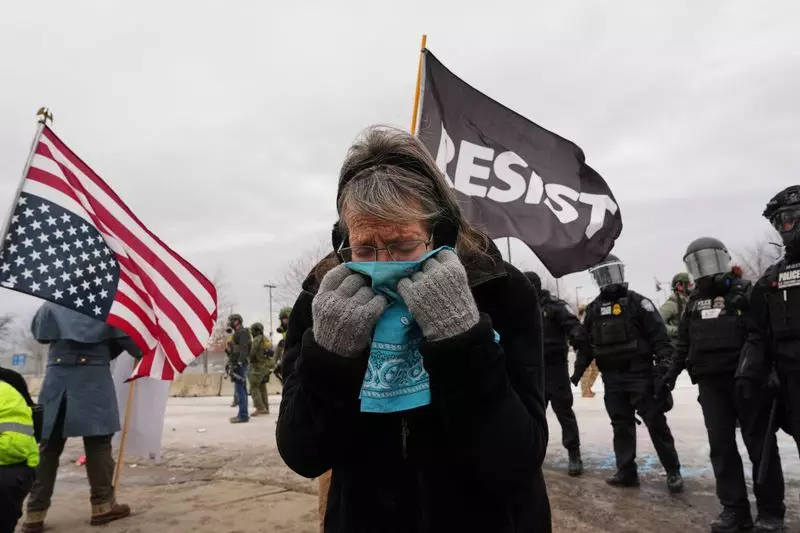
Federal Judge Issues Restriction on Immigration Agents in Minneapolis
A federal judge has made a significant ruling regarding immigration operations in Minneapolis. The decision explicitly prohibits federal agents from detaining or using tear gas against individuals who are protesting peacefully. This ruling comes amid ongoing tensions over immigration enforcement actions in the area.
Details of the Judicial Order
The judge emphasized that peaceful protesters must be protected from aggressive tactics. Agents involved in immigration operations cannot resort to detention or chemical agents like tear gas when dealing with non-violent demonstrations. This order aims to safeguard constitutional rights and prevent potential abuses of power.
Legal experts view this as a crucial step in balancing law enforcement with civil liberties. The ruling specifically targets operations in Minneapolis, where recent immigration activities have sparked public outcry and protests. By setting clear boundaries, the judge hopes to reduce conflicts and ensure that protests remain lawful and safe.

Impact on Immigration Operations
This decision could reshape how federal agents conduct their duties in Minneapolis. Immigration operations must now proceed with greater caution, avoiding any actions that might infringe on the rights of peaceful protesters. The use of tear gas, in particular, is now off the table unless there is a direct threat to public safety.
Community leaders in Minneapolis have welcomed the ruling, seeing it as a victory for protest rights. They argue that it reinforces the importance of peaceful assembly and holds authorities accountable. However, some law enforcement officials express concerns about potential challenges in managing large-scale operations under these new restrictions.
The judge's ruling is expected to set a precedent for similar cases across the country. It highlights the ongoing debate over immigration enforcement and protest rights in the United States. For now, Minneapolis serves as a focal point for these critical issues, with this legal decision marking a key moment in the broader conversation.