Japan Votes in Snap Election as PM Sanae Takaichi Seeks Mandate, Vows to Resign if Coalition Falls Short
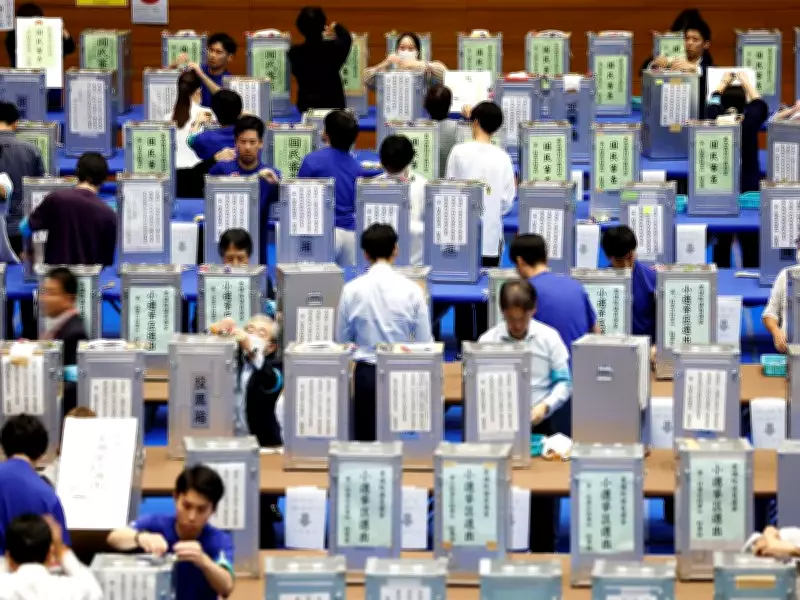
Japan is holding a snap election today, a pivotal moment called by Prime Minister Sanae Takaichi in a bold political move. The election aims to secure a fresh mandate for her ruling coalition, which has faced mounting challenges in recent months. Takaichi has made a dramatic pledge, vowing to resign from her position if her coalition fails to achieve a majority in the parliament. This high-stakes gamble underscores the intense political climate in Japan as voters head to the polls.
Background and Context of the Snap Election
The decision to call a snap election comes amid growing pressure on Takaichi's administration, which has been grappling with economic uncertainties and domestic policy disputes. Analysts suggest that the prime minister is seeking to consolidate power and demonstrate public support for her government's agenda. The election is seen as a critical test of her leadership, with opposition parties mobilizing to challenge her coalition's dominance.
Key Issues and Voter Sentiment
Voters in Japan are weighing several key issues, including economic recovery post-pandemic, national security concerns, and social welfare reforms. Takaichi's coalition has campaigned on promises of stability and continuity, while opponents argue for change and greater accountability. The outcome of this election could significantly reshape Japan's political landscape, influencing both domestic policies and international relations.

Implications of Takaichi's Resignation Pledge
Prime Minister Takaichi's vow to resign if her coalition falls short adds a layer of urgency to the election. This pledge has been interpreted as a strategy to galvanize support and underscore her commitment to democratic principles. However, it also raises the stakes, potentially leading to political instability if the results do not favor her party. Observers are closely watching voter turnout and regional dynamics, which could sway the final outcome.
International Reactions and Global Impact
The snap election in Japan has drawn attention from global leaders and international media, given Japan's role as a major economic and geopolitical player. A change in leadership or coalition dynamics could affect Japan's foreign policy, including its alliances and trade agreements. As votes are counted, the world awaits the results, which will have broader implications for Asia-Pacific stability and global governance.
In summary, Japan's snap election represents a crucial juncture in the nation's politics, with Prime Minister Sanae Takaichi's future hanging in the balance. Her resignation pledge highlights the high-risk nature of this electoral contest, making it a landmark event in contemporary Japanese history.