Japan's Prime Minister Sanae Takaichi Dissolves Parliament, Sets Stage for Snap Election
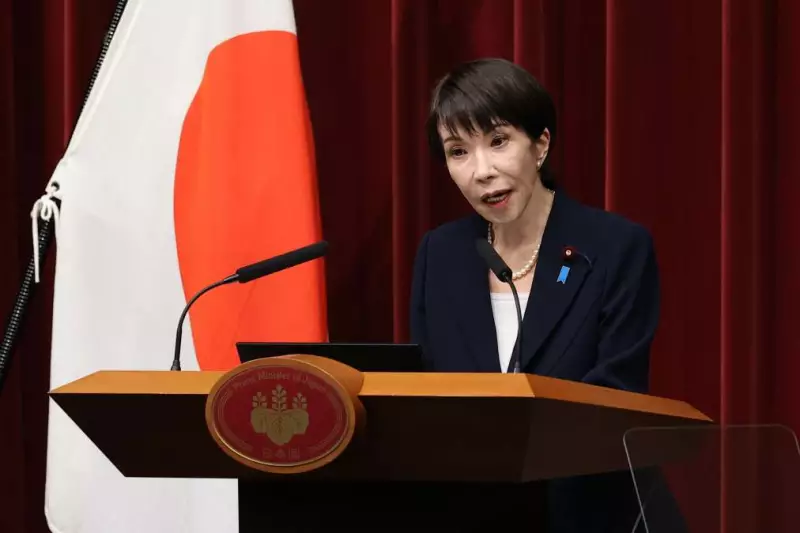
Japanese Prime Minister Sanae Takaichi has taken a bold political step. She moved to dissolve the parliament on January 19, 2026. This action triggers a snap election in Japan. The decision comes amid shifting political dynamics in the country.
Why This Move Matters Now
Prime Minister Takaichi's move to call for snap polls is significant. It allows her to seek a fresh mandate from the Japanese people. The dissolution of parliament means current lawmakers lose their seats. New elections will determine the composition of the legislative body.
This snap election could reshape Japan's political landscape. Voters will have the chance to voice their opinions on key issues. The timing suggests Takaichi aims to capitalize on current public sentiment.

What Happens Next in Japanese Politics
With parliament now dissolved, Japan enters a campaign period. Political parties will prepare their candidates and platforms. The election date will be announced soon by authorities.
This development follows recent political maneuvers in Japan. Takaichi's decision may reflect internal party strategies or external pressures. Observers note that snap elections often bring surprises in voter turnout and results.
The outcome will impact Japan's domestic and foreign policies. Key areas like economy, security, and social welfare are at stake. Japanese citizens await further details on the election process.
Key Points to Remember:- Prime Minister Sanae Takaichi dissolved Japan's parliament on January 19, 2026.
- This action initiates a snap election, allowing for a new parliamentary vote.
- The move aims to refresh the political mandate amid ongoing changes.
- Election campaigning will begin shortly, with results shaping Japan's future.
Japan now faces a critical democratic exercise. The snap election under Takaichi's leadership marks a pivotal moment. All eyes turn to the Japanese electorate as they prepare to cast their ballots.