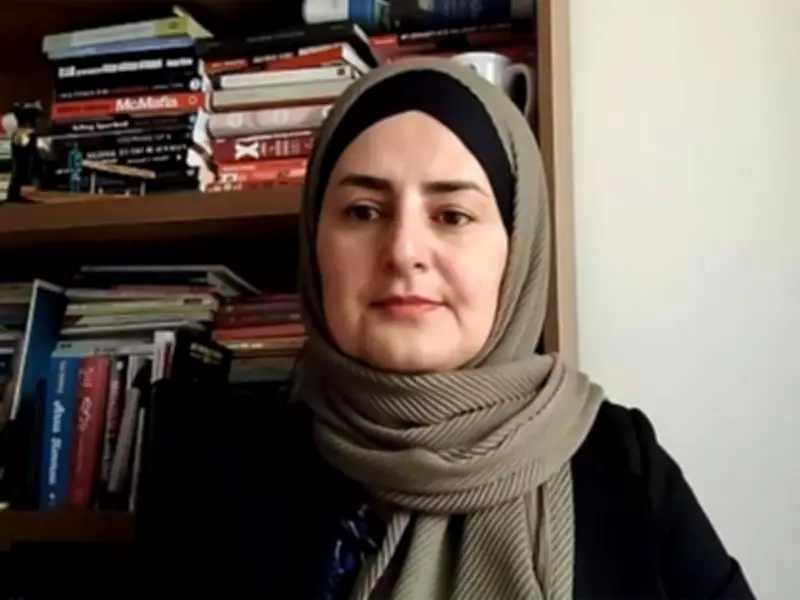
Iranian Academic Decries Trump's Coercive Tactics as Futile
A prominent professor from Tehran University has issued a sharp rebuke against former US President Donald Trump's recent threats targeting Iran. The academic emphasized that aggressive strategies, which he described as akin to "pointing a gun at our head," are fundamentally counterproductive and will never lead to successful diplomatic negotiations.
Context of Trump's Threats and Iran's Response
This statement comes in the wake of renewed verbal assaults from Trump, who has a history of adopting a hardline stance toward Iran during and after his presidency. The professor's comments reflect a broader sentiment within Iran's academic and political circles that the United States' approach under Trump has been overly confrontational and lacking in constructive engagement.
The core argument presented is that coercion cannot serve as a foundation for meaningful dialogue. Instead, it only deepens mistrust and escalates tensions between the two nations. The professor highlighted that Iran has consistently demonstrated resilience in the face of external pressure, and such tactics are unlikely to yield the desired outcomes for the US.

Historical Precedents and Diplomatic Implications
Historically, Iran has faced various forms of pressure from Western powers, including economic sanctions and military threats. The professor pointed out that these measures have often backfired, strengthening nationalist sentiments within Iran and hardening its negotiating position. He argued that a more respectful and equitable approach is essential for any potential breakthroughs in US-Iran relations.
The academic's remarks underscore a critical lesson in international diplomacy: mutual respect and willingness to compromise are indispensable for resolving conflicts.Furthermore, the professor suggested that the international community should take note of this dynamic, as similar coercive strategies have proven ineffective in other global hotspots. The failure of such approaches not only prolongs disputes but also risks triggering unintended consequences, including regional instability.
Broader Academic and Political Reactions in Iran
Within Iran, the professor's views are echoed by many intellectuals and policymakers who advocate for a principled stance against what they perceive as bullying by powerful nations. They argue that Iran's sovereignty and right to self-determination must be respected in any diplomatic process.
- Iranian officials have repeatedly stated that they are open to dialogue but only under fair and just conditions.
- The academic community in Iran often plays a significant role in shaping public opinion and policy debates regarding foreign relations.
- Trump's threats are seen as part of a broader pattern of US policy that prioritizes pressure over partnership.
In conclusion, the Tehran University professor's critique serves as a poignant reminder of the limitations of force in international affairs. As tensions between the US and Iran persist, the call for a more nuanced and respectful diplomatic approach grows louder, challenging the efficacy of threats and coercion in achieving lasting peace.